• CIMI Performance Surfboard | Responsive Custom OEM Board
  • CIMI Performance Surfboard | Responsive Custom OEM Board
  • CIMI Performance Surfboard | Responsive Custom OEM Board
  • CIMI Performance Surfboard | Responsive Custom OEM Board
  • CIMI Performance Surfboard | Responsive Custom OEM Board
  • CIMI Performance Surfboard | Responsive Custom OEM Board

CIMI Performance Surfboard | Responsive Custom OEM Board

  • CIMI Performance Surfboard | Responsive Custom OEM Board
  • CIMI Performance Surfboard | Responsive Custom OEM Board
  • CIMI Performance Surfboard | Responsive Custom OEM Board

Description

Product Overview

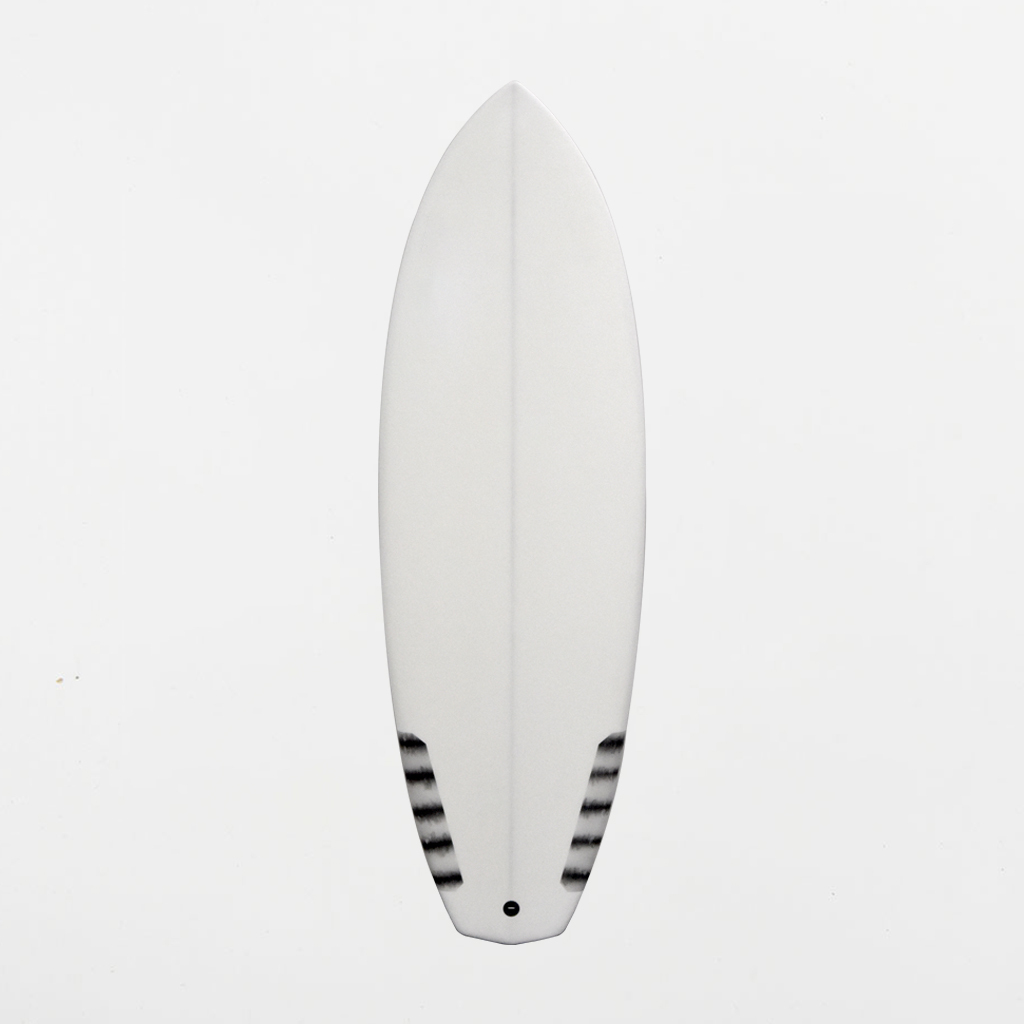
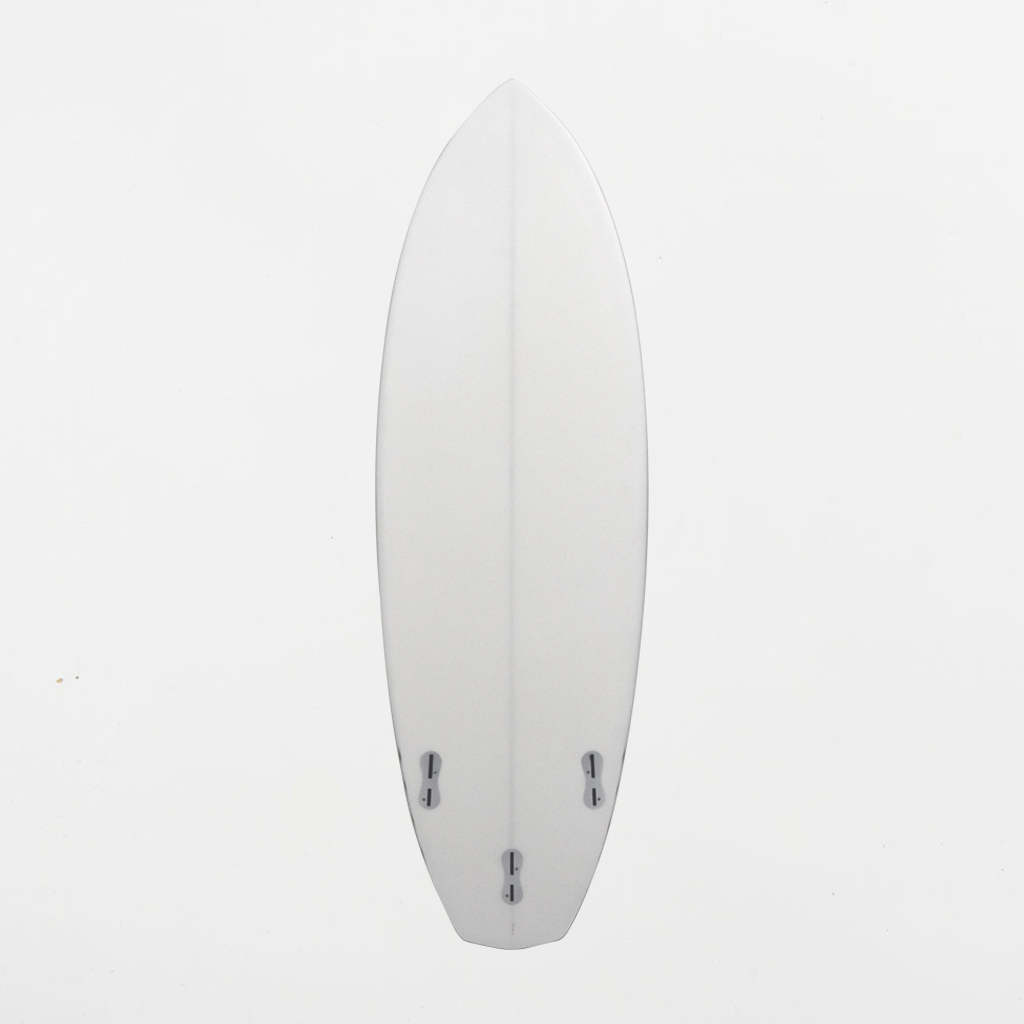
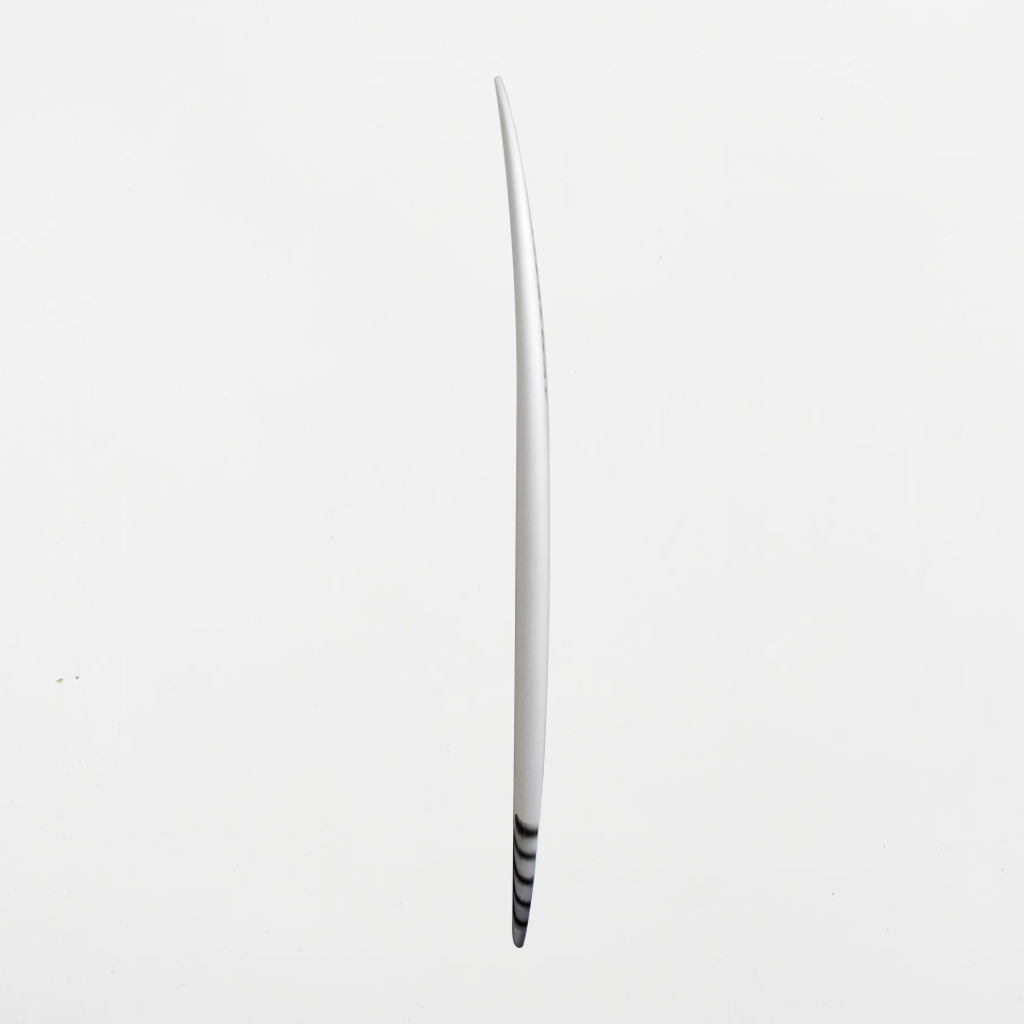
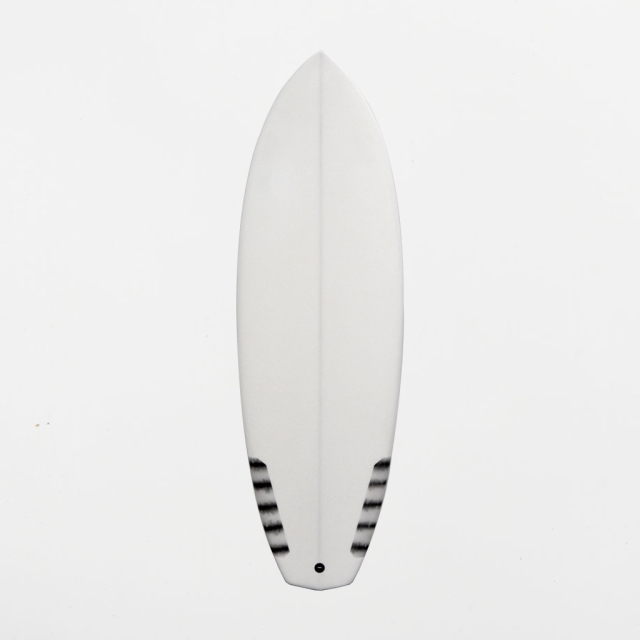
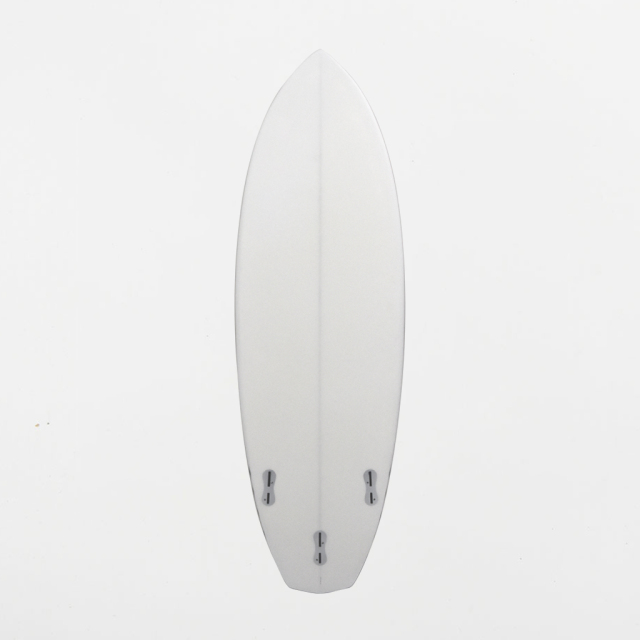
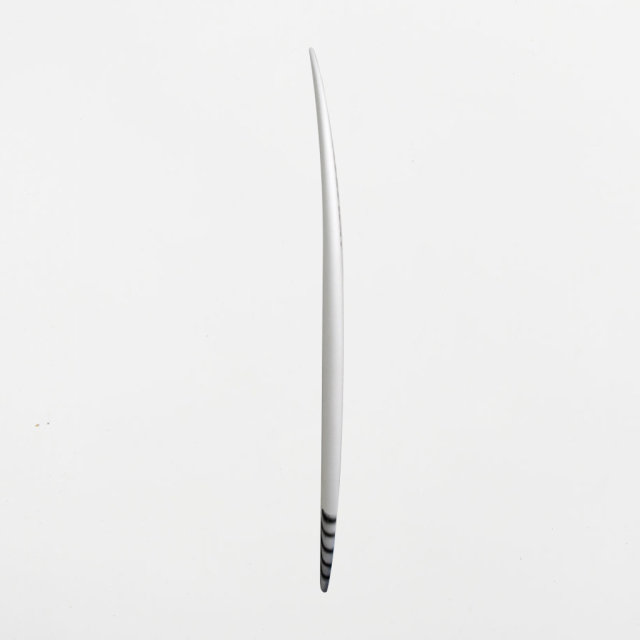
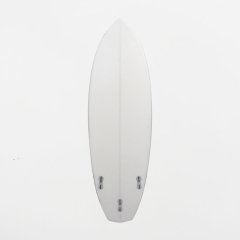
The CIMI performance surfboard is a composite board for riders who want a quick, controlled platform underfoot, and for buyers who need that same platform repeated across a size run rather than shaped once. We draw the outline around medium to large conditions: enough volume to paddle out and hold a line when the water is moving, a rounded tail that releases predictably through a turn, and a rocker curve that keeps the nose clearing chop on the way back out. Turn it over and the fin boxes are set into the bottom, ready for whichever fin layout your programme uses. We build it as a repeatable model rather than a one-off, which is what makes wholesale surfboards practical: the shape stays the same from run to run while lengths, finish and branding follow your plan. Most buyers who take this model are brand owners, chain buyers and distributors adding a performance shape to a range that already carries learner and all-round boards. If that is your situation, the useful conversation is not which single length to take but which size run, fin layout and finish you want to commit to for the season, and how quickly you need the second run. - A wave range the shape was drawn for. The outline is built around medium to large waves, so the board holds speed along a longer wall instead of stalling when the face stands up. - Control when a rider commits. Reinforced rails and balanced weight distribution keep the board predictable when someone is pushing hard through a turn rather than cruising down the line. - Buoyancy a team can plan around. Volume is distributed so the board paddles easily enough to reach the lineup without draining the rider, then responds the moment weight shifts to the tail. - A shape we can repeat. We work as custom surf board manufacturers before anything else, so the design is documented well enough that the fifth production run matches the first: same rocker, same rail, same fin placement. - Built for riders who notice the difference. Advanced and professional surfers feel a slow board within a wave or two, so the rocker and tail here are set for a crisp release rather than a vague one. - Composure when the swell builds. This is a surfboard for big waves as much as an everyday performance board: the outline keeps its line when the face stands up and the rider needs to commit rather than nurse a turn.

Performance and User Operational Benefits

On the water this performance surfboard does the obvious things well: it accelerates out of a bottom turn, holds speed through the pocket and releases off the top without a lag. The response is predictable rather than twitchy, which matters more on a board that will be ridden hard all season than on one that only has to shine in a single session.

For the buyer, the operational side matters as much as the ride. Traction pads sit flat on the deck without lifting at the edges, fins drop into the boxes without reaming, and the tail takes a leash without extra hardware. Staff assembling sets in a shop, or handing boards out at a rental desk, do not have to fight the equipment to get a customer into the water.

Longer sessions are where the construction earns its keep. A lighter board is less tiring to paddle and to carry back up the beach, and the epoxy laminate does not soften up after a few months the way a cheaper build can. For a team riding the same model week in, week out, that consistency is the difference between a board that stays in the quiver and one that gets retired early.

Advanced Materials and Structural Specifications

The core is EPS foam, light, buoyant and reluctant to take on water, wrapped in fibreglass cloth bonded with epoxy resin. It is the build surf board manufacturers have settled on when they want a strength-to-weight ratio that polyurethane construction cannot match: stiff enough to transfer a turn into forward drive, light enough to flick off the lip. Epoxy also cures harder than poly resin, so the laminate resists pressure dents through a long season of hard use.

On deck the surface is finished so a traction pad sits flat and stays flat, and the laminate underneath carries the load of a heel or knee without crushing. Weight is balanced through the middle of the board, which means it turns from under the rider instead of feeling tail-heavy. Fin boxes are bonded into the foam at the tail, so the load from a hard turn goes into the board rather than into the box. As a composite surfboard it is finished in a white laminate with the stringer line visible down the deck, a look that photographs well on a shop wall and reads clearly on the water.

Core | EPS foam Laminate | Fibreglass cloth bonded with epoxy resin Build type | Lightweight composite Tail | Rounded Rocker | Continuous curve from nose to tail Fin boxes | Set into the tail, layout agreed per programme Ride range | Medium to large waves Ride character | Responsive, balanced buoyancy, predictable release Deck finish | White laminate, central stringer line, black tail graphic Grip | Deck surface ready for traction pads Branding | Your graphics applied through the OEM programme Accessory fit | Fins, leashes and traction pads from the CIMI line

- Reinforced rails. Rails take the knocks, in transit, on the rack and against other boards in a school shed. The layup builds up at the rail so the edge holds its shape instead of bruising. - Stability built into the outline. Volume sits under the chest and through the middle, which gives the board a settled feel at speed without dulling the turn off the tail. - Modular enough to fit your specification. Lengths, fin layout and finish are agreed before production, so one shape can carry a different size run or graphic for each market you sell into. - Leaner material use. Because the shape is fixed, cutting and lamination settle into a repeatable pattern and there is far less trial-and-error waste than on one-off builds. - A lightweight surfboard that still feels planted. A light core with a stiff laminate reacts quickly underfoot without the skittish feel of a board that has been thinned out too far. - A professional surfboard finish. The white deck, stringer line and tail graphic are laid out so your own artwork sits cleanly on the board instead of fighting the shape.

Quality Assurance and Production Control

Every board is checked where a fault would show up later: core and cloth on arrival, lamination after cure, fin boxes and rails before finish, and the finished board against the approved specification before it is packed. The checks are run by the people on the line rather than signed off from an office, which is the part of the job surf board manufacturers are judged on when a buyer opens the second carton.

The checks themselves are practical. Is the laminate free of dry patches and pin-holes? Are the fin boxes straight and flush? Does the rail feel even from nose to tail? Does the weight sit where it should for that length? A board that fails any of them does not go into the box, whether the order is one board or a hundred.

For a composite surfboard programme the specification is the reference, so we keep your approved build on file and check each run against it rather than against the last board off the line. If your own team, or an inspection company you appoint, needs to look at the boards before shipment, tell us at the quotation stage so the schedule allows time for it.

Accessory Compatibility

The board sits inside a wider hardware line, which matters if you would rather not match parts across three suppliers. Fin boxes take the fin families we mould in-house, honeycomb fins in single-tab and double-tab, timber fins, G10 glass and nylon, so a shop can offer a fin upgrade without changing the board underneath it. Leashes run from short small-wave cords up to longer Hypalon cuffs built for mid-lengths and longboards, covering this board and everything around it on the wall.

Traction tail pads are cut to sit flat on a deck like this one, with centre pads and waxless pads for the rest of the board if you want a full grip package. Covers come as basic bags, regular bags and stretch covers, and the rack range covers travel rax and tie-downs, storage, display and bike racks, enough to fit out a shop floor or a school shed from one conversation.

What we need from you is the pairing: which fin layout goes on each length, which leash ships with each board size, and which pad goes in the box. Because this is a lightweight surfboard that suits a spread of rider levels, most buyers standardise on one leash length and one pad per size rather than offering every option on the wall.

- Slots into an existing rack system. Storage racks, travel rax and tie-downs in the CIMI line are built to take boards of this length, so a shop or school can hang and move a set without sourcing bespoke hardware. - Easy to identify at a glance. The white deck, stringer line and black tail graphic give staff a quick visual cue when a wall of boards is stacked, and make it obvious when one has been put back in the wrong slot. - Travels without drama. A composite surfboard that resists dings matters most between the factory and the shop: the epoxy laminate takes the knocks of packing, crating and van transit far better than a softer poly build. - Low-friction handover. Boards arrive with the fin layout already set to the agreed specification, so nobody has to drill, ream or adapt a box before the board goes on the floor. - Scales from a single shop to a distributor. The shape is repeatable, so an order for one store and an order for a national chain are built to the same pattern. - Gives the range a performance top end. Shops and distributors use this model to hold the experienced customer who would otherwise buy elsewhere: the surfboard for big waves at the top of the line-up, sitting above the learner and all-round shapes.

Commercial Surf School Deployment

  • The step after the soft-top. This is not a first-timer's board. It is what a school hands a student who has graduated off a foam learner board and is ready for a hard, responsive shape in bigger surf. - Built for shared use. School boards are handed out, dropped on the sand and stacked wet. - Fits the safety kit you already run. Leashes, tail pads and fins come from the same line, so a class set can be built consistently rather than improvised from what is in the shed. - A professional surfboard for advanced classes. Progression courses, coached sessions and adult improver groups all need a board that rewards better technique instead of punishing it. - Easy to mark as yours. The white deck and tail graphic leave clean space for a school's branding, which makes a numbered fleet simple to keep track of. - Fewer surprises for instructors. Because the shape is repeatable, an instructor who knows how one board behaves knows how all of them behave. In a competitive setting the board has one job: to give the same answer every time. Heat surfing rewards a rider who knows exactly how the board will release off the top and how much drive comes back from the bottom turn, and that only works if the model is built to a fixed specification rather than adjusted run by run. That is why we treat a team order as a specification rather than a one-off. The rocker, rail and fin placement of each performance surfboard are agreed in writing before production, so the board a team trains on through the season is the board it competes on. Coaches filming sessions and reviewing footage get a consistent baseline from heat to heat instead of a board that behaves differently after every delivery. Where competition rules set limits on board dimensions or markings, send them with your brief and we will build to them. We do not publish a compliance certificate for any particular tour or federation, so if your event requires one, tell us before the order is confirmed and we will say what we can provide.

Size Run Planning

  • Start from the riders you actually sell to. Write down the weight range of your customers and the wave size they surf most before you choose a single length. Body weight is what drives how much volume a rider needs; height and age tell you far less.
  • Give every length a distinct job. A run holds together when the shortest board is the one your skilled riders take out in good surf, the middle length carries the volume most customers paddle, and the longest is what they reach for when the swell and the wind pick up. If two lengths answer the same brief, one of them ends up sitting on the shelf.
  • Check the gaps across your whole wall, not just this model. This performance surfboard sits above your learner, all-round and mid-length shapes and below a longboard. Measure the jump from your existing mid-length up to this board, and from this board up to your longest model; the missing length is usually the one nobody has written down.
  • Keep a meaningful step between sizes. A customer moving up one length should feel a real change in paddle and stability. A step that changes the ride noticeably is worth stocking; a step so small that both boards ride the same is not.
  • Standardise the fin layout across the run. When every length takes the same fin family, spares, staff briefing and rental maintenance all get simpler, and a rider who upgrades keeps the fins they already own.
  • Weight your order to the job each length does. Wholesale surfboards orders rarely split evenly: the middle length usually sells several times faster than the shortest and longest, so plan quantities that way rather than ordering equal numbers of each.
  • Bring the run to us before you commit. Send the lengths you are considering, the weight bands and the wave range you want to cover. We will confirm which lengths we can build on this model, flag where two sizes overlap, and point out where a gap is still open, so the run you agree now is the run you can reorder against later.

Custom OEM Programme

  1. Send the brief. Tell us the lengths you want, the wave range your market rides and the finish you have in mind. Most wholesale surfboards programmes start with three answers: the size run, the volume you expect per season and the branding you want on the deck.
  2. Agree the shape and size run. We confirm outline, rocker and rail against your brief and set the lengths, so the range has no gaps and no two sizes compete for the same customer.
  3. Choose construction and finish. Laminate, deck graphic, logo placement and fin layout are fixed at this stage; changes after this point mean re-cutting, so it is worth getting right first time.
  4. Approve artwork and any pre-production board. Deck graphics, colour references and fin positions are approved in writing. If your programme needs a board in hand before the run, ask your sales contact about pre-production availability.
  5. Build and inspect. Production runs to the approved specification and each board is checked before packing. As a custom surfboard manufacturer we keep that specification on file, so the second order is built to the same pattern as the first.
  6. Reorder against the same file. When you come back for the next season the specification is already there, which is what keeps a professional surfboard model recognisable to your customers across years rather than across one delivery.

Ordering and Delivery

  • Lead time. Production generally runs two to four weeks depending on order complexity and size. We confirm the schedule in writing once the order is placed, and flag anything that would move it.
  • What to send for a quotation. Lengths, expected quantity per size, finish and branding, fin layout, and any accessory pairing you want included. With those we can quote and hold a slot in the plan.
  • Order quantities. Minimums depend on the size run and the finish rather than a single figure, so ask your sales contact for the current minimum on this model before the range is finalised.
  • Payment and shipping terms. These are set per order and confirmed on the quotation. Ask your sales contact for the terms that apply to your destination.
  • Packing. Boards are normally packed with nose and rails protected for transit. Confirm the packing standard for your order with your sales contact, particularly if boards travel alongside accessories.
  • Accessories in the same shipment. Fins, leashes, pads, covers and racks can be scheduled with the boards so a range lands together rather than in three deliveries.
  • Reorders. A repeat order runs against the specification already on file, which shortens the confirmation stage. Most buyers who order wholesale surfboards place their second run before the first season ends.
  • Before you commit. If anything in the specification is unclear, a length, a fin layout, a finish, settle it before the order is confirmed rather than after production starts.

Scale & Supply Capability

CIMI is a factory-based supplier with 16 years in surf and watersports hardgoods, manufacturing at our own facility rather than sourcing through traders. Chain stores, supermarkets and surf-brand stores buy from us because one supplier covers a full accessory assortment, so a season's order and its reorders can be planned together. We take on OEM and private-label work, adapting designs, colourways and branding to your programme, and we schedule production against your agreed range plan. Send us your buy list and target dates, and we will confirm what we can make and when.
FAQ

What materials are used in the board, and how do they hold up?

The core is EPS foam, laminated with fibreglass cloth and epoxy resin. That combination gives a board that is light in the hand, stiff enough to transfer a turn, and far more resistant to pressure dents and dings than a traditional polyurethane build. The rails are built up where they take the most knocks, and the fin boxes are bonded into the foam so a hard turn loads the board rather than the box.

Can you build the board and its accessories to our own specification?

Yes. As a custom surfboard manufacturer we build to your brief rather than to a catalogue: lengths, outline, fin layout, deck graphics and logo placement are all agreed before production. The accessories around the board are part of the same conversation, so fins, leashes, traction pads, covers and racks can be specified to match the size run instead of being matched up afterwards.

How does the board perform in larger, higher-energy surf?

It is built as a surfboard for big waves as much as an everyday performance shape. The outline holds speed along a longer wall, the rounded tail releases predictably when the face stands up, and the rocker keeps the nose clear of chop on the way out. The extra composure is the first thing that shows: the board does not need to be nursed through a turn.

Is the board light enough to carry and paddle all day?

The EPS core keeps it a lightweight surfboard by construction rather than by thinning the glass, so it stays easy to paddle, easy to carry back up the beach and quick underfoot. Light does not mean fragile here, because the epoxy laminate cures hard and the rails are reinforced, which is the balance that matters for a board used several times a day.

Which lengths should we confirm for our market?

It depends on the waves your customers actually ride and on what already sits either side of this board in your range. Send us the size run you are considering and the conditions it is meant for, and we will tell you where it overlaps with a shape you already stock and where a length is missing. Settling that before production is far cheaper than finding the gap after the first delivery.

Leash

Fins

Traction

Cover

Rack

Regular longboard ankle leash for medium to large waves or a longer board
The CIMI Surf Leash Hypalon 8ft 7mm is the ideal choice for surfers seeking a durable and reliable leash. Made with high-quality Hypalon, this leash offers exceptional strength and comfort, ensuring a safe and enjoyable surfing experience.
Regular leash for medium-sized waves and all-around conditions
Lightweight leash for small to medium-sized waves
Honeycomb fins are made using a resin transfer molding process. This versatile fin material is light, and can be used in a variety of different conditions
The CIMI Double Tab Surf Fins are crafted to boost your surfing performance. With high-quality construction and superior design, these fins offer enhanced stability, control, and durability.
Honeycomb fins are made using a resin transfer molding process. This versatile fin material is light, and can be used in a variety of different conditions
Enhance your surfing experience with CIMI's high-performance Surf Traction Tail Pads. Designed for durability and superior grip, these tail pads provide exceptional control on your surfboard.
Your product's brief description