Double Tab Fin System
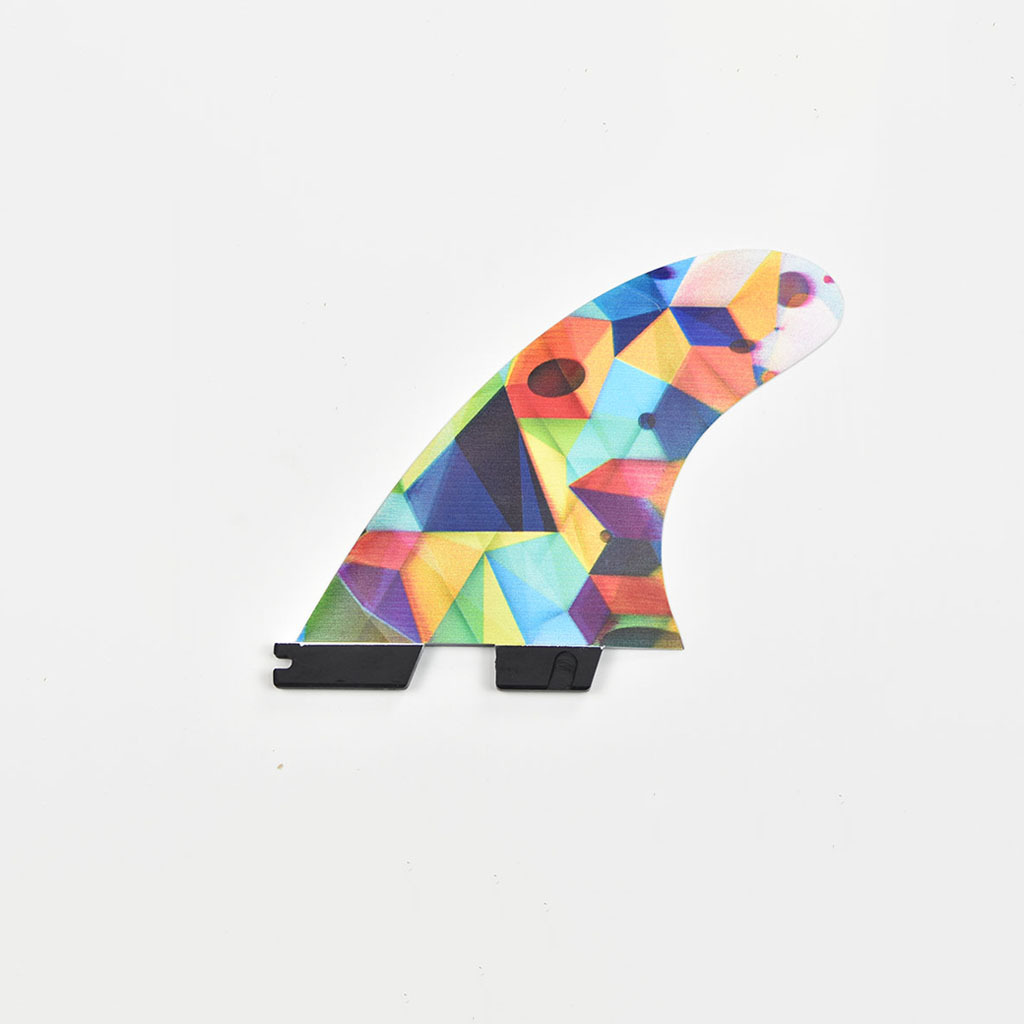
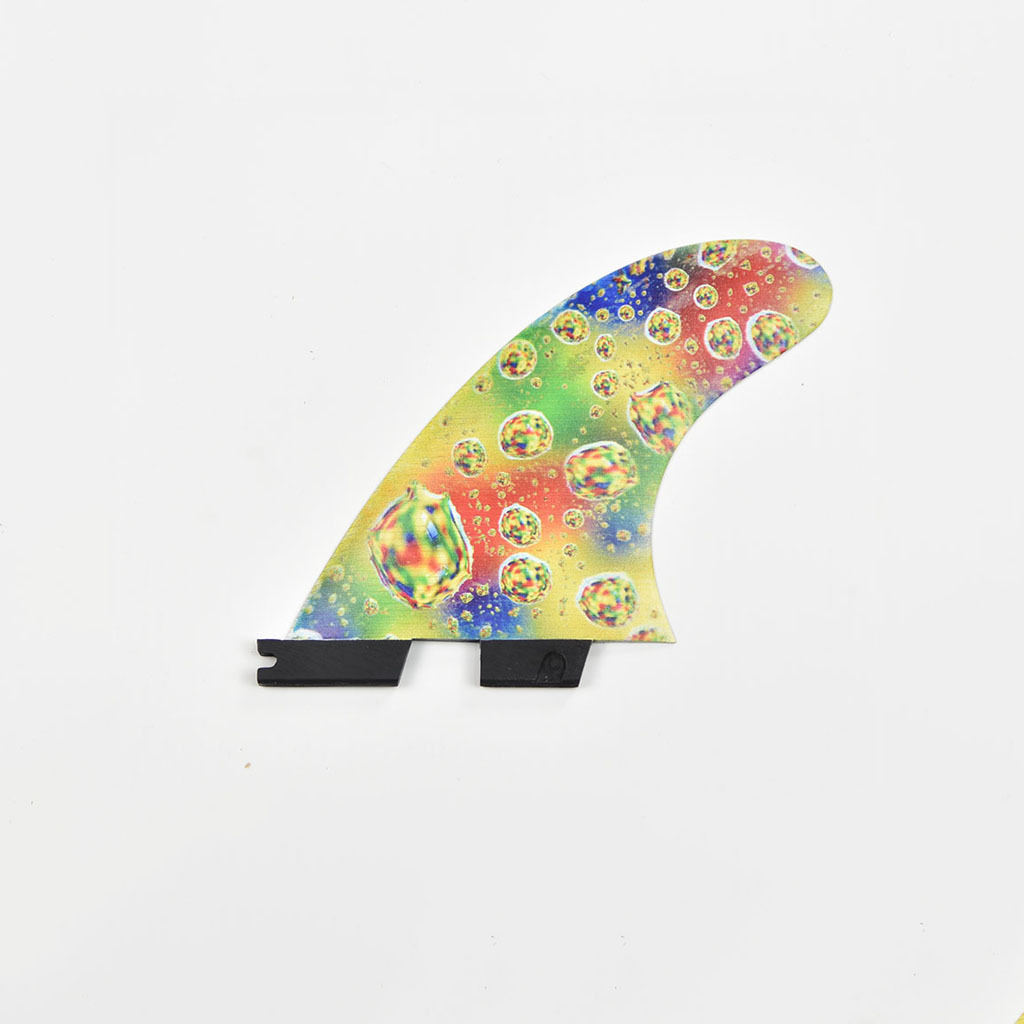
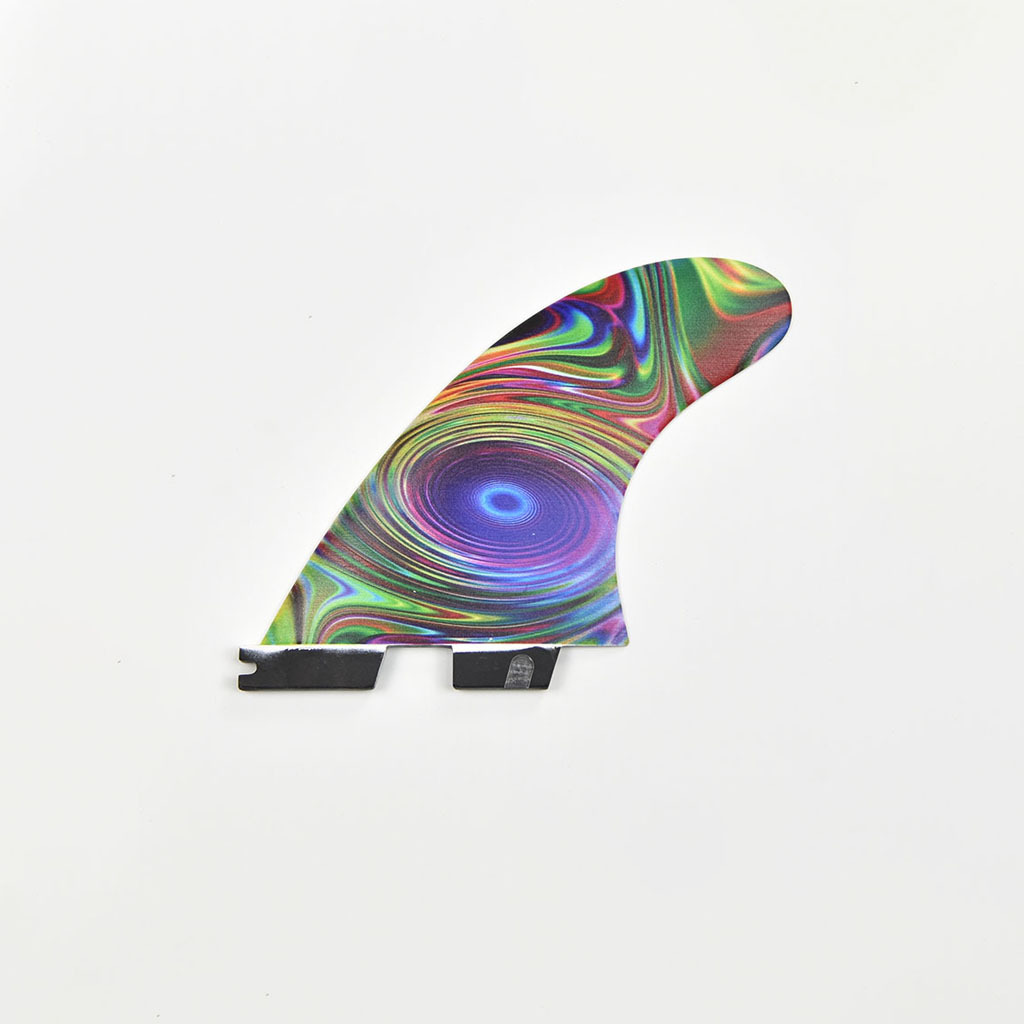
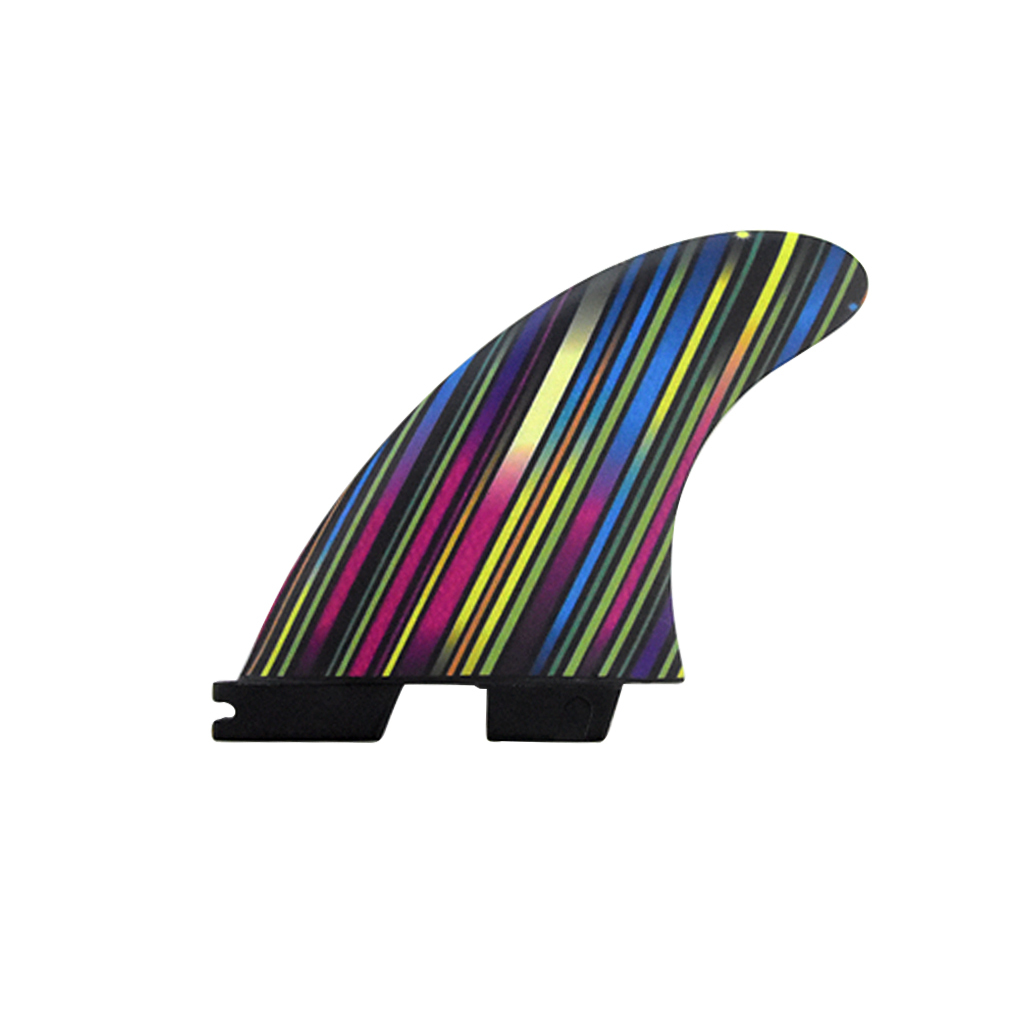
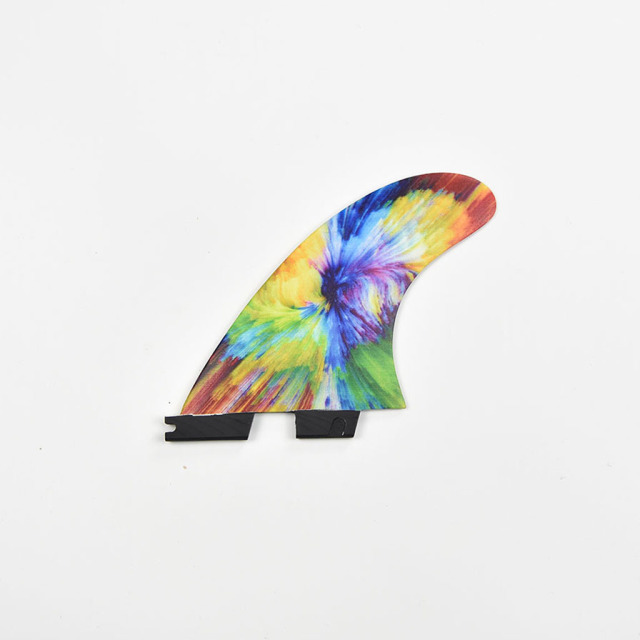
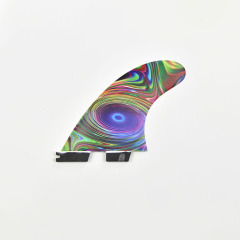
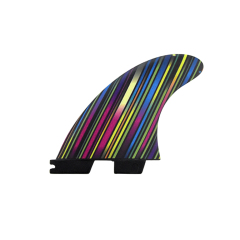
Double tab surf fins are the fitment most shortboards and performance boards are built around. Two tabs at the base drop into a matching pair of slots in the board, and one grub screw at the trailing end of the box locks both at once. There is no plate to line up under the deck and no long tang running through the board, so a fin lifts out, gets rinsed and goes back in without a bench or a second pair of hands. The base sits low where the fin meets the board, which keeps water moving cleanly across the trailing edge through a turn. That simplicity is why the system holds its place on the wall. A customer who bought a board with a double tab box comes back for fins that fit it, and a shop carrying this fitment in depth covers replacement demand without sending anyone away. It is also the system a rider stays with as their surfing develops, because the box on the board never changes — only the fin does. We mould the double tab range in-house: honeycomb, honeycomb carbon and G10 glass, across five rider-weight sizes, so one box can be served from an everyday fin through to a stiff, pro-level layup. The fins shown here carry patterned graphic finishes over a glossy surface — a small detail, but it helps a set read clearly on a pegboard. Stocking fins for surfboard stock starts with one question: which box is on the boards you sell?
Builds in the Double Tab Range
- Honeycomb: 50% honeycomb core, 30% glass fiber and 20% epoxy resin, moulded by resin transfer. Light in the hand and forgiving underfoot — the build that suits most riders in everyday conditions. - Honeycomb carbon: the same core with 10% carbon fiber in the internal frame, 20% glass and 20% epoxy. The frame is drawn to suit each template, and the epoxy with carbon twill at the base gives a flex that springs back rather than folding. - G10 glass: 60% glass fiber and 40% epoxy, machine cut from layered solid fiberglass. Stiff, and it holds its flex under load — the build for strong surfers in demanding waves, and the answer for a rider who finds a light fin washes out. - Keeping a set consistent: fit the same build across every box on the board. A stiff centre with light side fins changes how the board releases, and most riders feel it before they can explain it. - Range planning: honeycomb carries the volume, carbon sits with riders stepping up, and G10 covers the performance end. A double tab surf fins supplier can put all three in the size spread you need, which keeps the wall useful without dead stock.
Fin System Comparison
- Double tab: two tabs and one grub screw. The fin drops straight in and comes out with a single key, and because the shaper sets the box position the fin goes back exactly where it was — which is what turns fins for surfboard replacement into a counter sale rather than a fitting job. - Single tab: one tab at the base, held by a plate and screw. Common on longboards and mid-lengths, where being able to slide the fin forward or back in the box is part of the ride; the trade-off is more small parts to handle. - Box fin: a long tang through the board, fixed with a plate and screw on the deck. The classic longboard fitment, and the one to keep if your wall carries traditional longboards. - What a shop should carry: depth in the system your boards use rather than one token fin in each. Two or three templates per system in a full size run sells better than a shelf of singles, and a double tab surf fins supplier who carries those templates in every size is what makes that possible. - Matching before selling: a fin cannot be made to fit a box it was not built for. System first, then template, then size — that order keeps a sale at the counter instead of turning into a return.
Fitting a Double Tab Fin
- Look at the underside of the board first. Two slots side by side with a single screw at the trailing end take a double tab base; one slot with a plate takes a single tab, and a long channel takes a box fin.
- Flush the box with fresh water and check the screw thread before anything else — sand and dried salt are the usual reasons a fin will not seat fully.
- Slide both tabs into their slots with the leading edge toward the nose. A correctly matched double tab surfboard fin drops in without force; if it needs pushing, there is still grit in the box.
- Press the base down until it sits flush with the bottom of the board. A fin standing proud of the base will never tighten down properly.
- Start the grub screw by hand, then nip it up with a fin key. Firm is enough — over-tightening is what cracks a base or strips a thread.
- Rock the trailing edge from side to side. Any movement means the tabs are not fully home, so lift the fin out and start again.
- Fit the rest of the surfboard fin set the same way and check it as a set. A partly fitted set behaves unpredictably in the water, and the rider will blame the fins.
- Between sessions, back the screw off a quarter turn, lift the fin out, rinse it and refit. It takes a minute and it is the cheapest way to keep a set serviceable.
Boards and Conditions
The double tab box shows up most often on shortboards and performance boards, and that is where this fin earns its keep. In a thruster the rear fin sits on the stringer with two side fins forward of it; in a quad or twin the same boxes take a different set of templates, which is why one system can cover most of a performance wall. Step-ups and round-pin boards for bigger surf take the same base, so a rider moving up a board size does not have to change fin system as well.
Small-wave and groveler boards are the other common home. The fins for surfboard grovelers are chosen for drive off the bottom and release off the top rather than outright hold, and a lighter build usually feels better than a stiff one, because a soft wave gives the rider less time to load the fin.
Conditions change the choice more than the board does. Clean, high-energy point surf rewards a fin that holds through a long turn; choppy beach breaks suit a smaller, looser template that lets the rider adjust mid-turn. Start with the weight band on the chart, then move one size up for a rider who surfs high-energy waves or only gets out a few times a year, and one size down for a lighter or younger surfer.
Setups are worth talking through at the counter. Ask what board the customer rides, how often, and in what kind of wave — three questions usually settle the template, and the double tab surfboard fins you hand over will be the ones they come back for.
Sizes and Fitment
| Specification | Detail |
|---|
| Fin system | Double tab |
| Base fixing | Two tabs and one rear grub screw |
| Sizes offered | XS, S, M, L, XL |
| XS | Under 55 kg / 120 lbs |
| S | 55–70 kg / 120–155 lbs |
| M | 65–80 kg / 145–175 lbs |
| L | 75–90 kg / 165–200 lbs |
| XL | Over 85 kg / 190 lbs |
| Builds in this system | Honeycomb, honeycomb carbon, G10 glass |
| Surface | Patterned graphic on a gloss finish |
Matching Accessories
- Leashes: Hypalon leashes in 6 ft 6 mm, 7 ft 7 mm, 8 ft 7 mm and 9 ft 8 mm cover shortboards through to longboards. Match the length to the board and the cord thickness to the size of wave the rider is going out in.
- Fins: single tab, double tab and box fin builds sit alongside each other, so whether a customer needs one replacement fin or a full surfboard fin set, it can be served from the same wall.
- Traction: tail pads, centre pads and skimboard pads for the same boards — a rider buying a new fin often wants fresh grip under the back foot at the same time.
- Covers: basic bags, regular bags, stretch covers and bodyboard bags, so the board the fin is going on can be protected on the way home and in transit.
- Racks: travel racks, tie-downs, storage racks, display racks and bike racks — the pieces that let a shop display boards properly and let a customer get one home.
- One order for the wall: combine a wholesale surf fins order with pads, covers and racks so everything arrives together and the season's range is planned in one pass.
Ordering and Trade Supply
- Send your size breakdown and template list first: how many fins in each size, which templates, and whether they go out as full sets or as single fins sold as replacement surfboard fins.
- Tell us the build mix you want to carry. As a surf fins manufacturer we mould honeycomb, carbon and G10 in-house, so the mix is agreed against your range plan rather than against what happens to be in stock.
- Wholesale surf fins orders can combine sizes and systems on one purchase order; confirm the split with your sales contact when you send the list.
- Confirm packing and labelling for your shelves with your sales contact, including how the fins should be bagged or tagged for pegboard display.
- Confirm lead time, shipping terms and any paperwork you need before the order is placed — these are agreed per order rather than assumed.
- If the fins will carry your own branding, raise artwork and packaging early, because both affect the production schedule.
- On a reorder, quote the original template, build and size so the second shipment matches the first.
- Ask for the current template and build list before you finalise a range; as a double tab surf fins supplier we would rather send you the accurate list than have you plan around a photograph.
Scale & Supply Capability
CIMI is a factory-based supplier with 16 years in surf and watersports hardgoods, manufacturing at our own facility rather than sourcing through traders. Chain stores, supermarkets and surf-brand stores buy from us because one supplier covers a full accessory assortment, so a season's order and its reorders can be planned together. We take on OEM and private-label work, adapting designs, colourways and branding to your programme, and we schedule production against your agreed range plan. Send us your buy list and target dates, and we will confirm what we can make and when.
FAQ
Will double tab surf fins fit a board with a single tab or box fin setup?
No. The box on the board decides the system: a double tab base needs two slots and a rear screw, a single tab board has one slot with a plate, and a box fin board has a long channel. That is why replacement surfboard fins have to be matched to the box before anything else. The underside of the board answers the question in seconds, and the template and size come after that.
Is a fin key needed to change a surfboard fin set?
Yes — a small fin key is all it takes, because there is one grub screw per fin. Hand-tight plus a nip is enough; forcing it risks cracking the base or stripping the thread in the box. Keep a key in the shop drawer and another in the board bag so a set can be changed at the beach.
What should a shop check on each fin before it goes on the shelf?
Check the tabs for moulding flash or nicks, rest the base on a flat counter to be sure the fin sits flush, look over the graphic finish for transit scuffs, and make sure the screw thread on the box side is clean. A fin that rocks on the counter will rock in the board, and it is easier to spot before it reaches a customer.
Can honeycomb, carbon and G10 double tab surfboard fins be mixed in one set?
They can, and some experienced riders do it deliberately. The catch is that a stiff centre with light side fins changes how the board releases, so for stock it is simpler to keep a set consistent and sell a full set of one build. A rider who wants to experiment can then compare two complete sets instead of guessing at a mix.
How should a spare set be stored between seasons?
Rinse in fresh water, dry fully, and store the fins flat in a bag or box rather than loose in a bucket where the tabs knock against each other. Keep each size band together and label the set, so the fin that goes back on the board in spring is the one that came off it.