Single Tab System
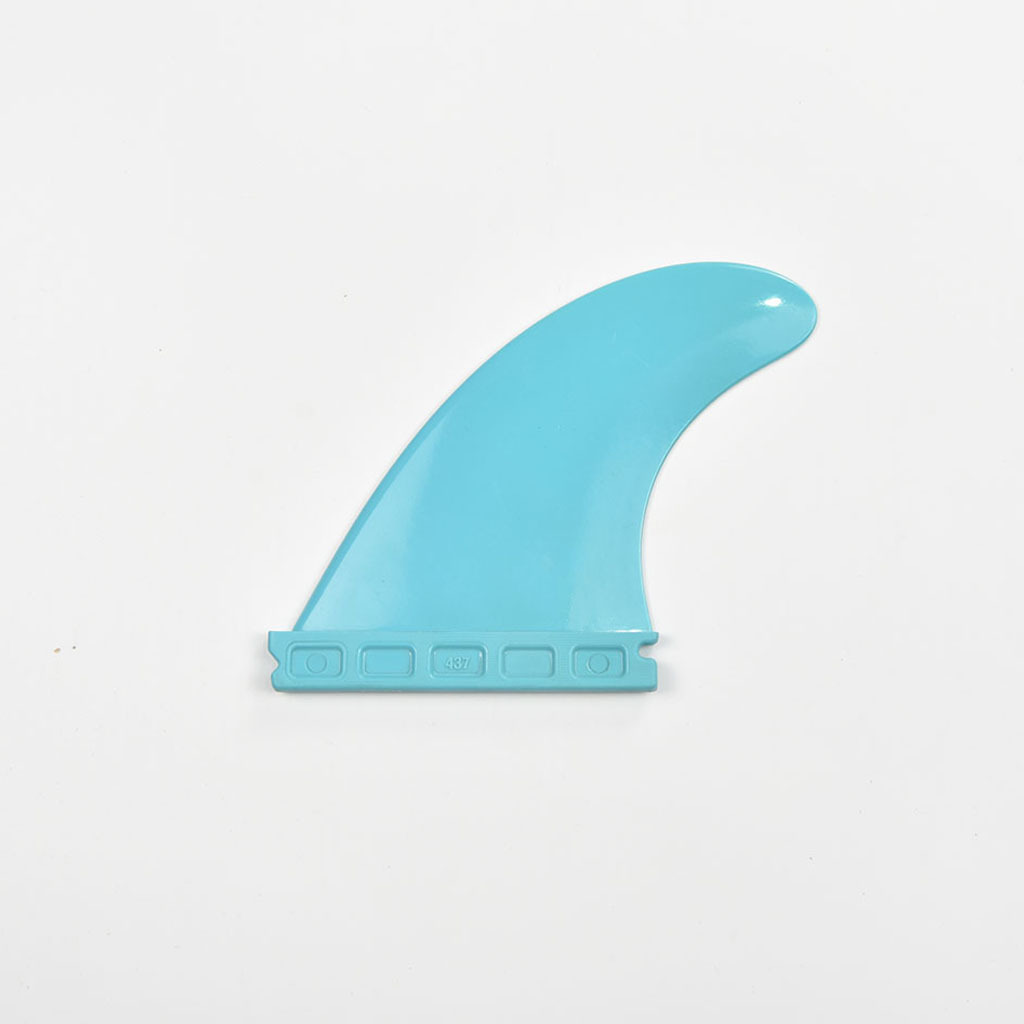
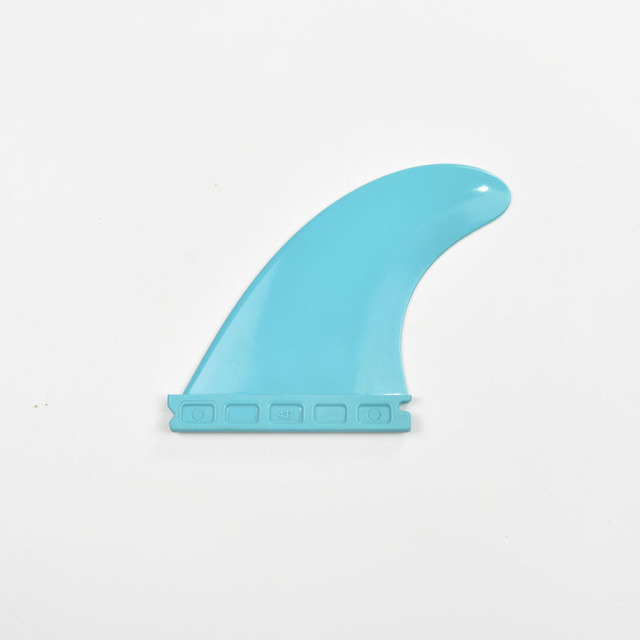
A single tab fin is held by one tab at the base. The tab drops through the slot in a matching fin box and a single screw locks it down, which makes this the simplest of the fin systems to live with: one screw to loosen, one screw to tighten, and no second tab to line up. Loosen it and the fin slides forward or back in the box; tighten it and the fin is fixed. This is also the fin that disappears from a board most often: lost on a trip, stripped at the tab, or left behind in the car. That is why the range sells steadily as a replacement part as well as an upgrade, and why we are a custom single tab fins supplier for shops that want their own name on the fin.
Fin Builds in the Range
Nylon. Nylon single tab surf fins are moulded in one piece and are the most forgiving build in the range. They flex under a knock, they survive a board being dragged across a car park, and they are what most shops reach for when a customer wants a replacement rather than an upgrade.
Honeycomb. Honeycomb single tab fins use a honeycomb core with glass and epoxy, resin transfer moulded into the finished shape. The result is light in the hand and lively underfoot, and because the fin is moulded rather than cut, the template stays consistent from one fin to the next — which is what makes a reorder safe.
Honeycomb carbon. The same core, with an internal carbon framework matched to each individual template and a carbon twill laid into the base with epoxy resin. The frame is what changes the feel: the fin springs back rather than folding away, which suits a rider who wants response without a punishing ride.
G10 glass. Layered solid fiberglass, machine cut. These are stiff fins and they hold their flex under load — the reason stronger surfers choose them in high-load, fast surf, where a fin that gives way costs control.
Timber. Timber builds sit in the range for riders and shops who want a different look on the wall, and they run through the same single tab system.
Stocking the builds. Most shops buying surfboard fins wholesale carry the nylon and honeycomb builds as the everyday sellers, keep a short run of G10 glass for the better riders, and use the carbon and timber builds to give the section some contrast — four builds, one system, one size ladder.
Fitting and Adjusting
- Loosen the screw first. Two or three turns is normally enough — keep the screw and plate captive in the box rather than pulling them out, so nothing drops into the sand.
- Seat the tab all the way down. Press the fin in until the base sits flush on the box. A tab that stops short will rock, and no amount of tightening will settle it.
- Set the position before you tighten. Forward in the slot gives a quicker, looser turn; back gives more drive and hold. This is the step that matters most with surfboard fins single tab — move it a few millimetres at a time, one change per session, so the rider can feel what the change did.
- Tighten firmly, not hard. The fin should not twist by hand once the screw is nipped up, but forcing it distorts the tab and the box.
- Check the base by hand. Grip the tip, load it side to side, and look for any lift at the base before the board goes in the water.
- Re-check after the first session. A new fin settles into the box, and a second small nip-up on the beach takes seconds.
Boards and Conditions
- Everyday shortboards. The straightforward replacement case: a rider walks in with a stripped or missing fin and needs the same template in the same size, back in the board in minutes.
- Mid-lengths and funboards. A matched pair for the side boxes, with the centre fin chosen to suit the length of the board.
- Retro twins and fish. Pairs of single tab surfboard fins for twin-fin set-ups, where a smaller, more upright template keeps the board loose and skatey.
- Small, soft surf. A smaller template set forward in the box turns under a rider who is not generating much speed of their own.
- Bigger, faster conditions. More base area and a rearward position hold the board in when the wave is pushing and the rider is committing.
- Travel boards. One spare set in the bag covers a week away; a fin is the one part that can end a session early.
Product Specifications
| Fin system | Single tab — one tab, one screw |
| Tab profile | Long rectangular tab with notched ends |
| Fixing | One screw and plate through the fin box |
| Adjustment | Fore and aft along the box slot |
| Sizes | XS, S, M, L, XL |
| Honeycomb build | 50% honeycomb core, 30% glass fiber, 20% epoxy resin |
| Honeycomb carbon build | 50% honeycomb core, 20% glass fiber, 20% epoxy resin, 10% carbon fiber |
| G10 glass build | 60% glass fiber, 40% epoxy resin |
| Moulding | Resin transfer moulding |
| Surface | Glossy, smooth moulded finish |
| Builds in the range | Nylon single tab surfboard fins, honeycomb single tab fins, G10 glass, timber |
| Compatibility | Boards fitted with a single tab fin box |
Sizes and Rider Weight
- XS — under 55 kg (120 lbs). Grommets, light adults and smaller-framed surfers on short boards.
- S — 55–70 kg (120–155 lbs). The middle of the light range, and the usual step up for a teenager outgrowing a first board.
- M — 65–80 kg (145–175 lbs). The most common size on a shop wall, covering average adults on shortboards and hybrids.
- L — 75–90 kg (165–200 lbs). Heavier riders, and anyone surfing a longer board with more rail in the water.
- XL — over 85 kg (190 lbs). Big riders and heavier boards, where the fin has to carry real load through a turn.
- One ladder, every build. Nylon single tab surf fins and the honeycomb and glass builds all sit on the same five steps, so staff can move a customer between builds without changing the size.
Leashes, Traction, Covers and Racks
A fin is only one item on the wall, and most shops buy it as part of a wider order. Alongside the fins we make the pieces that go with them: leashes in regular, non-slip and Hypalon builds, plus bodyboard and SUP versions; traction in tail pads, centre pads and waxless pads; covers in basic bags, regular bags, stretch covers and bodyboard bags; and racks that run from travel rax and tie-downs to storage and display racks, with bike racks and wax inserts in the same section.
Buying that as one order changes the working day. Shops buying surfboard fins wholesale usually take the leashes, pads, bags and racks on the same shipment, so the wall arrives complete and the season opens with one delivery to check in rather than four. Fin accessories — screws, plates and keys — sit in the same section, which is what keeps the small parts in stock alongside the fins themselves.
As a surf fins manufacturer we make the whole list rather than trading it in, which is also why the same branding can run across a fin, a leash and a bag without the job being split between three suppliers. Tell us what the wall looks like and we will tell you what fits alongside it.
Care and Replacement
- Rinse after every session. Fresh water over the fin and the box, then dry before the board goes back in the bag; salt left in the slot dries into grit that works away at the tab.
- Check the screw before you paddle out. A fin that has started to lift at the base is usually a screw half a turn loose, not a damaged fin.
- Inspect the base after a knock. Honeycomb single tab fins have a moulded skin over the core, so a chip or a white stress line at the base is worth looking at before the next session — a tab tends to fail at the worst possible moment.
- Keep fins out of a hot car. Resin and foam do not enjoy long spells of heat, and a fin left on a dashboard can distort.
- Carry a spare set. One spare of the template you ride most, kept in the board bag, saves a customer's trip and a shop's afternoon.
- Rotate fleet sets. Hire and school boards wear fins faster than private boards — swap a whole set at once and keep the same size on the same board, so staff never have to guess at the counter.
Ordering and Delivery
- Confirm the templates, builds and sizes you want, and whether they can be mixed in one run — a wall order usually combines several templates with a spread of sizes.
- Shops buying surfboard fins wholesale should agree quantities per build at the same time; nylon and honeycomb move at different rates and the split is worth settling before the run is scheduled.
- If the fins will carry your own name, send artwork, colour direction and the templates you have in mind. We work as a custom single tab fins supplier, so branded and stock orders are scheduled the same way — your sales contact will confirm what is possible for that combination.
- Confirm packing and carton marking for resale handling, including whether the fins need to arrive shelf-ready or in bulk.
- Confirm lead time, shipping terms and payment terms with your sales contact before the order is placed; they depend on the builds and the quantity on the run.
- Ask your sales contact about sample availability and current lead times when you are trialling the range, and keep the template, build and size on file so a reorder matches the first shipment.
Scale & Supply Capability
CIMI is a factory-based supplier with 16 years in surf and watersports hardgoods, manufacturing at our own facility rather than sourcing through traders. Chain stores, supermarkets and surf-brand stores buy from us because one supplier covers a full accessory assortment, so a season's order and its reorders can be planned together. We take on OEM and private-label work, adapting designs, colourways and branding to your programme, and we schedule production against your agreed range plan. Send us your buy list and target dates, and we will confirm what we can make and when.
FAQ
How do I check that my board takes single tab fins?
Take out the fin that is in the board now and look at its base. A single tab base has one long tab and one screw, and the box it came out of has a single slot with a plate under the screw. If the box takes two tabs and two screws, it is a double-tab set-up and single tab surf fins will not lock into it. When you are not sure, send us a photo of the open box and we will tell you which system you have.
What is the difference between single tab and double tab surfboard fins?
Single tab surfboard fins use one tab and one screw, and they can be slid forward or back in the box before the screw is tightened. Double tab fins use two tabs and two screws, which fixes the fin in one position and spreads the load across a wider base. The honeycomb single tab fins and the double tab versions are built from the same core, glass and epoxy, so the choice comes down to the box on the board and whether you want to be able to move the fin — not to one system performing better than the other.
What should I check on the fin box before fitting a new fin?
Run a finger through the slot and rinse out any sand, wax or salt grit, then look at the threads and the plate. A plate that has slipped, or a screw that turns without biting, will not hold a fin however hard you tighten it. Look along the box for cracks or whitening in the laminate around it — a damaged box should be repaired before a new fin goes in, because a fin that comes out at speed does more damage on the way.
Can the fins carry our shop's branding?
Yes. The fin's colour and the graphics on the base can follow your programme instead of a stock look. We make this range as a custom single tab fins supplier. As a surf fins manufacturer we run our own moulds and production, so a branded order is scheduled the same way as a stock one. Send your artwork, and the templates and builds you have in mind, and your sales contact will confirm what is possible for that combination.
A rider sits between two weight bands — which size should I sell?
Move up a size when the rider is between bands, is heavy-footed, or rides a long board with a lot of rail in the water; stay in the smaller band for a light, quick surfer on a short board. Surfboard fins single tab follow the same five-step ladder across every build, so the size decision holds whichever template or material you are selling. If the rider is right on the line, the larger fin is the safer first sale — it holds better in the conditions most people actually surf.