Product Overview
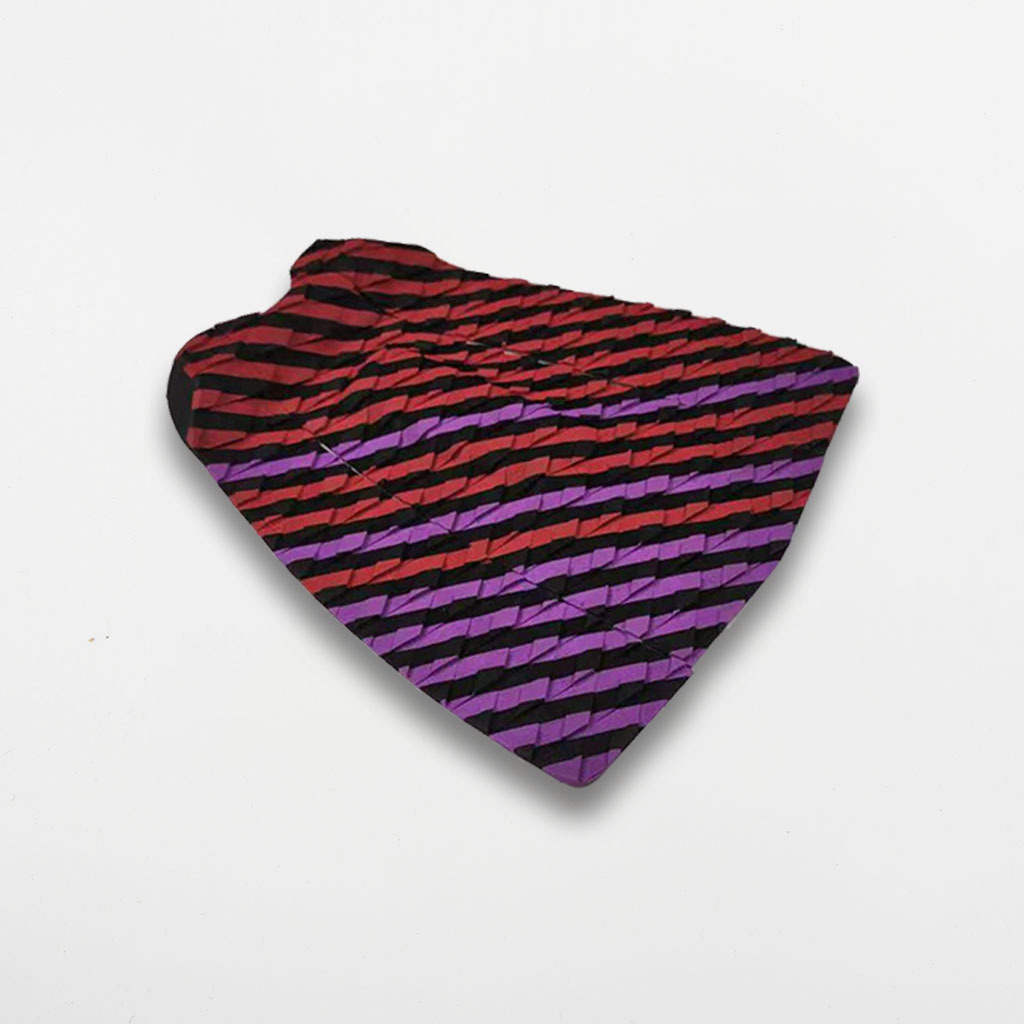
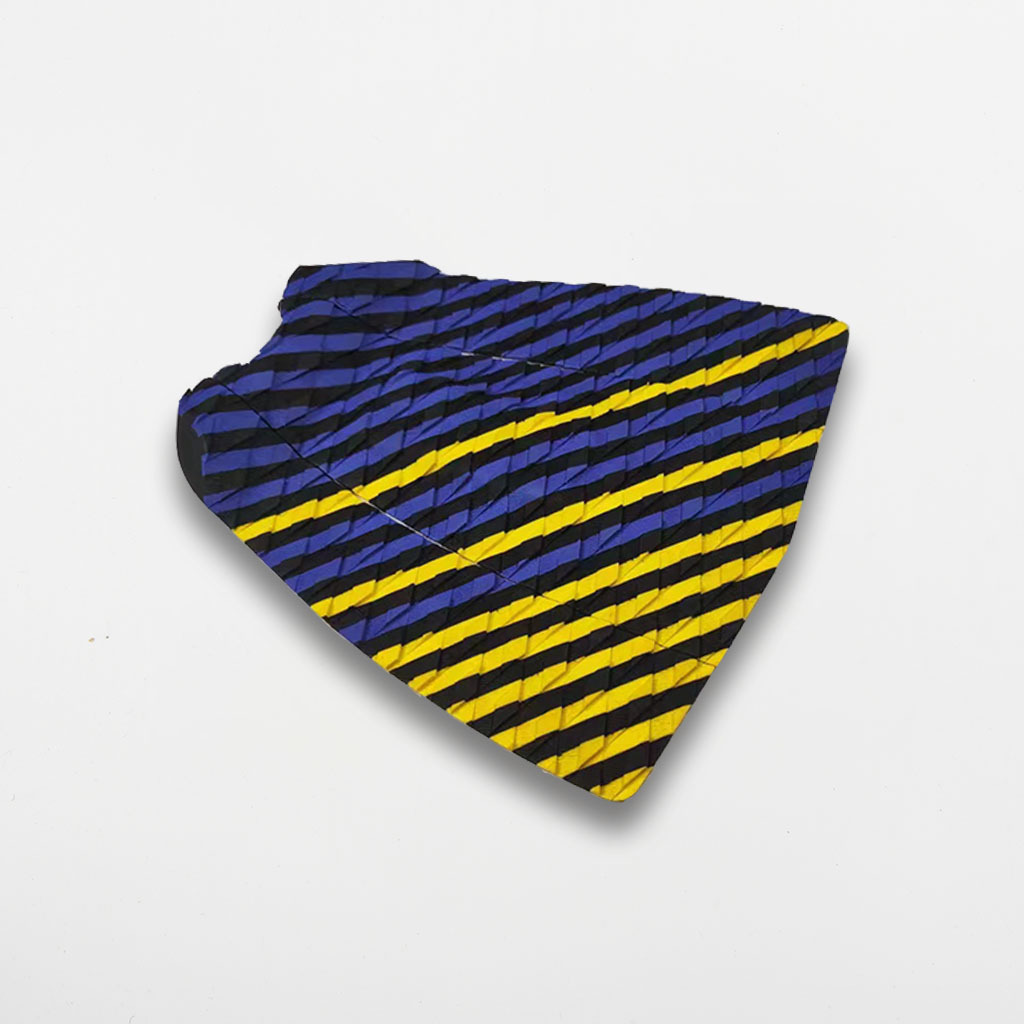
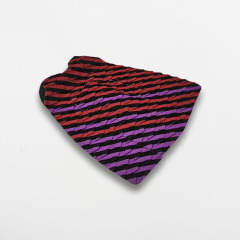
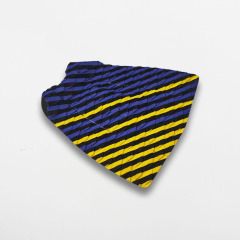
A surf traction pad is the grip surface a surfer's back foot rides against. Fitted to the tail of the deck, it gives the foot a raised, textured platform to push through cutbacks and off the bottom, and it keeps wax off the tail so the deck stays clean underfoot. CIMI builds this one as a stock accessory for shops, distributors and private-label programmes rather than a fitting for a single board.
Most surfboard tail pads sell as replacement stock. A board comes in with its original grip worn smooth, lifting at the edges or gone entirely, and a matching pad puts the deck back into service without touching the rest of the board. That is why the reference on the label matters as much as the shape: a buyer who can quote a code gets the same design back on the shelf instead of an approximation of it.
Chain buyers, distributors and surf board manufacturers work with us on this design because it does not force a choice per board. One pad covers the tails a shop actually sells, so the shelf stays simple to manage and the reorder list stays short.
Diamond Grip Pattern
- Raised diamond field. Each segment carries a field of raised diamond shapes, so the back foot lands on edges rather than on a flat sheet. Those edges are what a rider pushes against when the weight shifts into a turn. - A pattern that reads as one surface. The layout repeats across the set, so whether the pad goes on a shortboard tail or a longboard traction pad, the joins disappear into the pattern and the deck looks finished rather than assembled. - Findable by feel. The diamonds stand proud of the base, which means a rider can locate the same spot on the tail without looking down, in chop or in flat light. - Shaped into the surface. The texture is part of the pad rather than a graphic laid over a flat sheet, so the grip a rider feels on the first session is still what the foot finds once the pad has been ridden in. - Works without wax. The texture does the gripping, so the tail can be left unwaxed and the deck stays cleaner underfoot between sessions.
Boards & Riding Styles
Tail width decides where the pad sits and how much deck stays visible around it. A shortboard with a squash or thumb tail leaves the pad spanning most of the width, with the outer segments following the rail line. A fuller tail leaves more glass showing at the edges, and that is where a fitter opens the spacing rather than cutting the pad down.
A longboard traction pad has a much broader tail to cover, so the segments are spread further apart and the pad sits forward of the rail edge. That gives the rider somewhere to plant the back foot after walking the board, without stepping onto bare glass.
Fleet and school boards are the hardest test of any deck grip. Boards come off the surfboard rack with the grip worn smooth long before the deck itself is finished, and a shop holding a few pads in stock can refit them the same day instead of retiring the board. It is the same reason surf board manufacturers keep a private-label design in production season after season: replacement demand is steady, and consistency counts for more than novelty.
Fitting & Placement
- Take the old grip off. Slide a plastic scraper under a corner and lift slowly, warming the pad as you go; cold adhesive tears and can take deck glass with it.
- Clear every trace of residue. Scrape the leftovers back, then wipe the tail with a solvent-dampened cloth until the surface feels even under a fingertip.
- Let the deck dry completely. Adhesive will not bond to a damp or dusty surface, and a board straight out of the water fails at the edges first.
- Dry-fit the surfboard tail pad before peeling anything. Lay the segments out, run a strip of tape down the stringer as a centreline and check the spacing against the tail width.
- Check the leash plug. On most boards the plug sits on the stringer behind the pad; if yours is further forward, keep the rear segment clear of it so the surf leash still runs straight.
- Set the centre segment first. Peel a short section of backing, align to the tape line and press from the middle outward, pushing air ahead of the pad rather than trapping it.
- Fit the outer segments and finish the edges. Keep the gaps even on both sides, then run a thumb firmly along every edge and leave the board to sit before it goes back in the water.
Care & Storage
- Rinse the surfboard tail pad with fresh water after every session. Salt and sand work into the texture and dull it faster than riding does.
- Brush rather than scrub. A soft brush and clean water lift sand out of the diamonds, while a stiff brush or a scouring pad rounds the edges off over time.
- Keep solvents away from the edges. Petrol, acetone and heavy degreasers soften the adhesive, and the edge lifts first.
- Dry the deck before it goes under a cover. A pad left damp inside a bag grows a film that feels slick underfoot.
- Store the board on a surfboard rack. A board stood on its tail in a corner puts load on the rear edge of the pad, which is exactly where lifting starts.
- Deal with a lifted corner early. Warm the corner, press it back down and keep weight off it until the adhesive grabs again; if it lifts a second time, replace the pad before water gets underneath.
Specifications
| Item | Detail |
|---|
| Reference | T00349 |
| Product type | Surfboard traction pad |
| Deck pattern | Diamond |
| Pieces per set | Three |
| Segment layout | Three segments set as one field across the tail |
| Adhesive | 3M |
| Installation | Peel-and-stick |
| Placement | Tail of the deck, under the back foot |
| Board fit | Shortboard, funboard and longboard tails |
| Surface | Raised diamond field |
| Colour options | Confirmed with the sales team |
| Packing | Confirmed per order |
| Range | Traction: tail pads, centre pads, skimboard pads, waxless pads |
Companion Accessories
- Leashes. Our Hypalon surf leash range runs from a 6 ft 6 mm regular leash up to a 9 ft 8 mm longboard leash, so there is a length for whichever board the pad goes on. A customer who buys both leaves with the deck finished instead of coming back for the leash a week later.
- Fins. Honeycomb fins in single tab and double tab, made by resin transfer moulding: light, and workable across a range of conditions. Timber, G10 glass and nylon fins plus fin accessories sit alongside them, so a whole fin wall can be built from one supplier.
- The rest of the traction range. Centre pads, skimboard pads and waxless pads fill out the category around the tail pads, which means a traction section can be bought as a set rather than one design at a time.
- Covers. Basic bags, regular bags, stretch covers and bodyboard bags, the natural add-on once a customer has paid to have a deck refinished.
- Racks. Travel rax and tie-downs, storage racks, display racks and bike racks. A shop fitting pads on site can also sell the surfboard rack the board lives on at home, and a display rack puts the pad range where customers can reach it.
Ordering & Delivery
| Term | What to confirm |
| Order reference | Quote the code on the pad label when reordering |
| Minimum order | Confirmed per design with your sales contact |
| Lead time | Confirmed against your delivery window when the order is placed |
| Packing | Shelf-ready or bulk, whichever your channel needs |
| Private label | Artwork, colour direction and branding signed off before production |
| Samples | Ask your sales contact about sample availability |
| Payment terms | Confirmed with your sales contact before the order is released |
| Shipping terms | Confirmed with your sales contact before the order is released |
Scale & Supply Capability
CIMI is a factory-based supplier with 16 years in surf and watersports hardgoods, manufacturing at our own facility rather than sourcing through traders. Chain stores, supermarkets and surf-brand stores buy from us because one supplier covers a full accessory assortment, so a season's order and its reorders can be planned together. We take on OEM and private-label work, adapting designs, colourways and branding to your programme, and we schedule production against your agreed range plan. Send us your buy list and target dates, and we will confirm what we can make and when.
FAQ
Will this surf traction pad fit my board's tail?
It fits any board where the tail leaves the pad room to sit between the rail edges, which is the standard case on shortboards and most funboards. The layout is the flexible part: a fitter can spread the segments to follow a wide tail or close them up on a narrow one. Measure the tail width where the pad will sit and check it against the pad measurements before committing to a run, and on an unusually narrow or wide tail send us the shape and we will look at it with you.
How do I check that this matches the pads we already stock?
Match the code. This one is T00349, and that reference is what you quote when reordering, so the design that arrives is the design already on the shelf. If the old stock has lost its label, send a photo of the deck pattern and the piece layout and we will match it against the range.
Do these pads work on a longboard?
Yes, with a layout adjustment. A longboard traction pad covers a much broader tail, so the segments are spaced wider and the pad sits further forward of the rail edge than it would on a shortboard. The diamond field itself is unchanged, which keeps the visual weight at the back of the board. Tell us the board length and tail width when you enquire and we will confirm the piece layout that suits it.
Will the pad cover the leash plug?
The plug normally sits on the stringer behind the pad, and the gap between the rear segments leaves it accessible. Check the position before the pad goes down: if the plug sits further forward on your board, keep the rear segment clear of it rather than cutting through the pad. The surf leash should then run straight from the plug without rubbing the pad edge.
Can I trim a surfboard traction pad down for a narrow tail?
A clean cut with a sharp blade along the rail line is normal practice on a narrow tail, and it does not affect the adhesive underneath as long as the cut is made before the pad goes down. Trim from the outside edge, keep the cut line smooth and leave the diamond field intact where the back foot lands. If you are trimming across a whole production run, send us the shape and we will look at whether the cut should be made at our end instead.