Product Overview
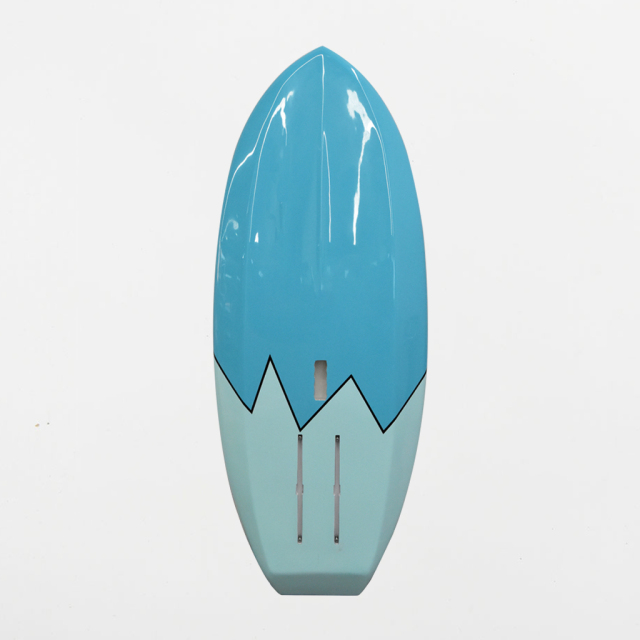
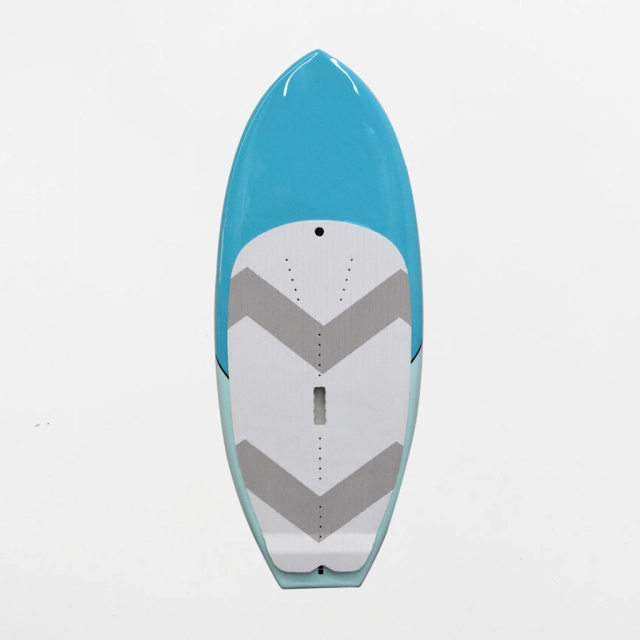
Some longboards are built to be admired on a shop wall. This one is built to be ridden four or five times before lunch. The 9ft epoxy longboard is the board we send to surf schools, rental desks and coastal shops that need one longboard to carry a mixed class through a full season, and it earns that job by pairing a classic outline with a layup that survives beginner traffic. As an epoxy longboard surfboard manufacturer, we build it as a working board first: full outline, predictable glide, and a finish that still looks presentable after a summer of lessons.
Its working day is simple. An instructor walks it into knee-deep water, pushes a first-timer onto a small wave, and hands it to the next student ten minutes later. The board has to paddle back out without drama, take a knock against the sand without opening up, and still feel friendly to the experienced rider who takes it out when the sets build. That rhythm — teach, repeat, rinse, stack — is what the volume, rocker and tail shape are tuned for, which is why a board this size usually sits at the centre of a school's quiver rather than at the edge of it.
Shops that do not run lessons use it differently: as the longboard a customer can buy on Saturday and paddle on Sunday. Every epoxy longboard surfboard we build in this size is finished for both roles, so a buyer does not have to choose between a fleet board and a single board built for individual purchase.
1. One size covers a mixed class — a first-timer, a returning student and an instructor on a small day can all ride the 9ft epoxy longboard, so a school stocks one longboard size instead of three and swaps riders rather than boards. 2. Less time out of the rotation — a fleet's real cost sits in the boards that are out of service, not the ones on the water. A durable epoxy surfboard that stays presentable and rideable through a season keeps the class-to-board ratio stable, so nobody is ordering replacements in August. 3. Consistent feel, board to board — every board comes off the same template with the same layup, so an instructor can put a nervous student on any board in the rack and get the glide and stability they expect. 4. Direct from the maker — we cut the shape, laminate it and pack it ourselves, so a change you ask for is handled at the source instead of being passed along a supply chain. 5. One model, two channels — the same board can be issued to a lesson programme and sold to a walk-in customer, which means a shop does not have to carry a separate consumer longboard beside its school boards.
Shape & Ride Character
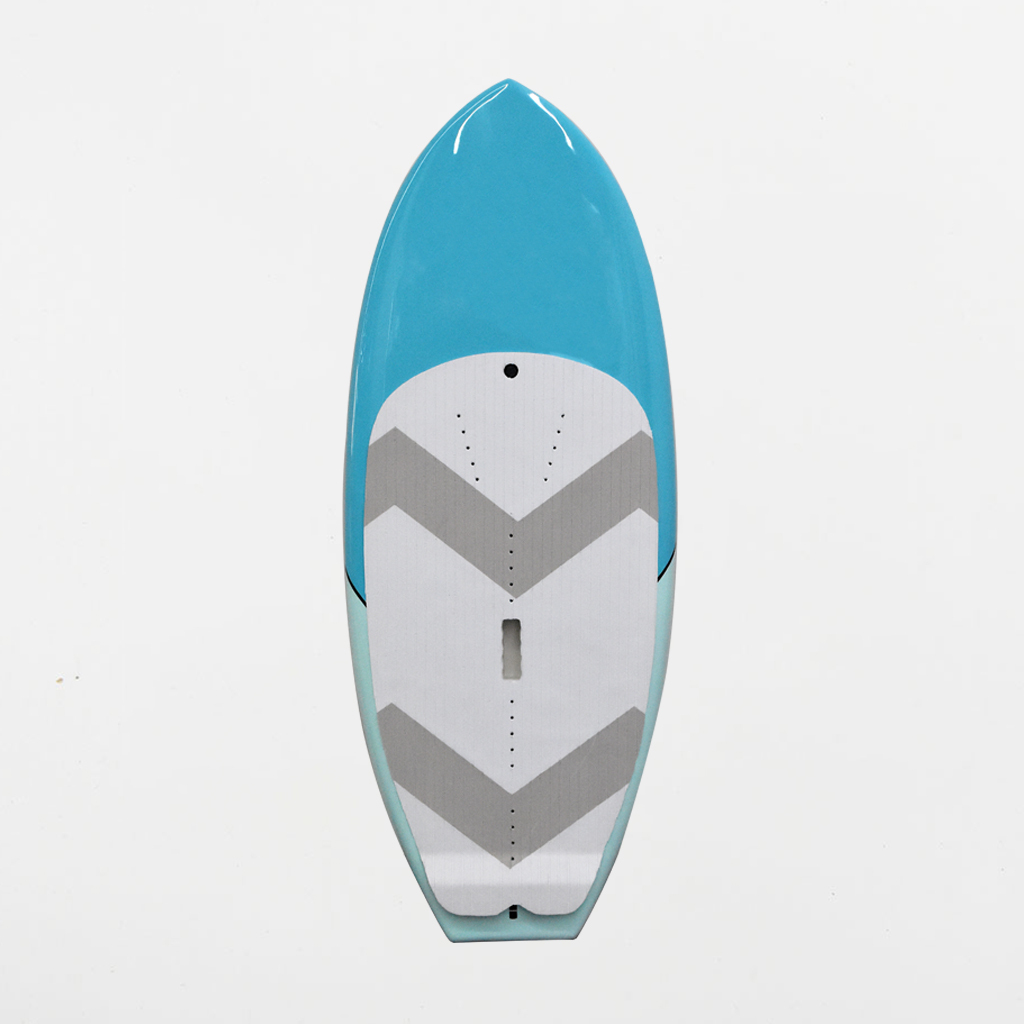
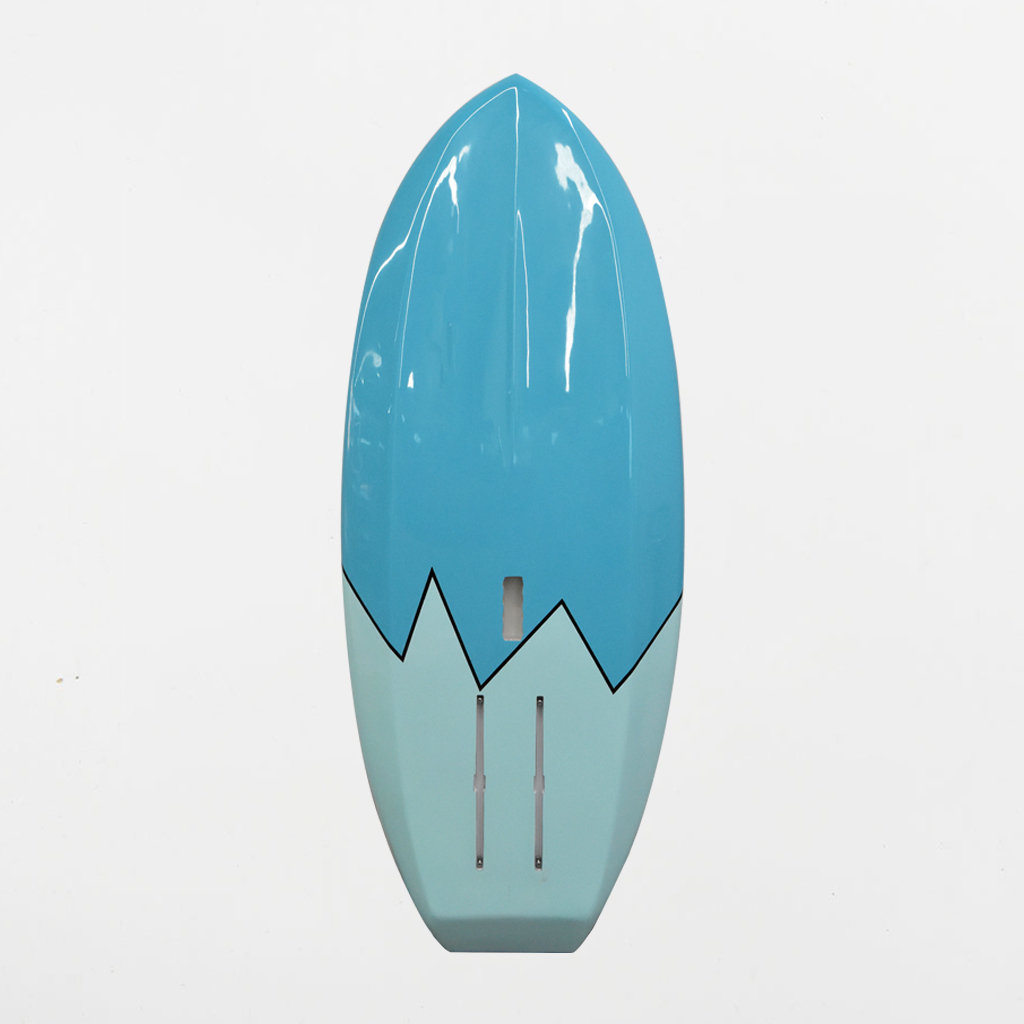
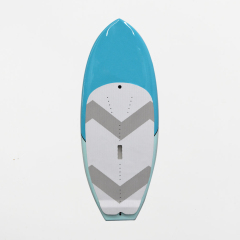
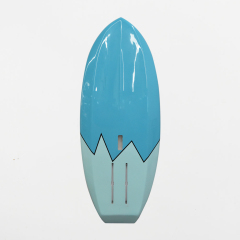
- Wide nose and full rails — the width carried forward of the midpoint is what lets the board pick up a swell early and hold a line while a student finds their feet, and it is also what keeps things steady when an instructor is standing still in the shallows.
- Pulled-in tail — the tail narrows enough to turn from the back foot, so the board can be swung around on a mushy section or walked towards the nose on a clean one without feeling like it is dragging.
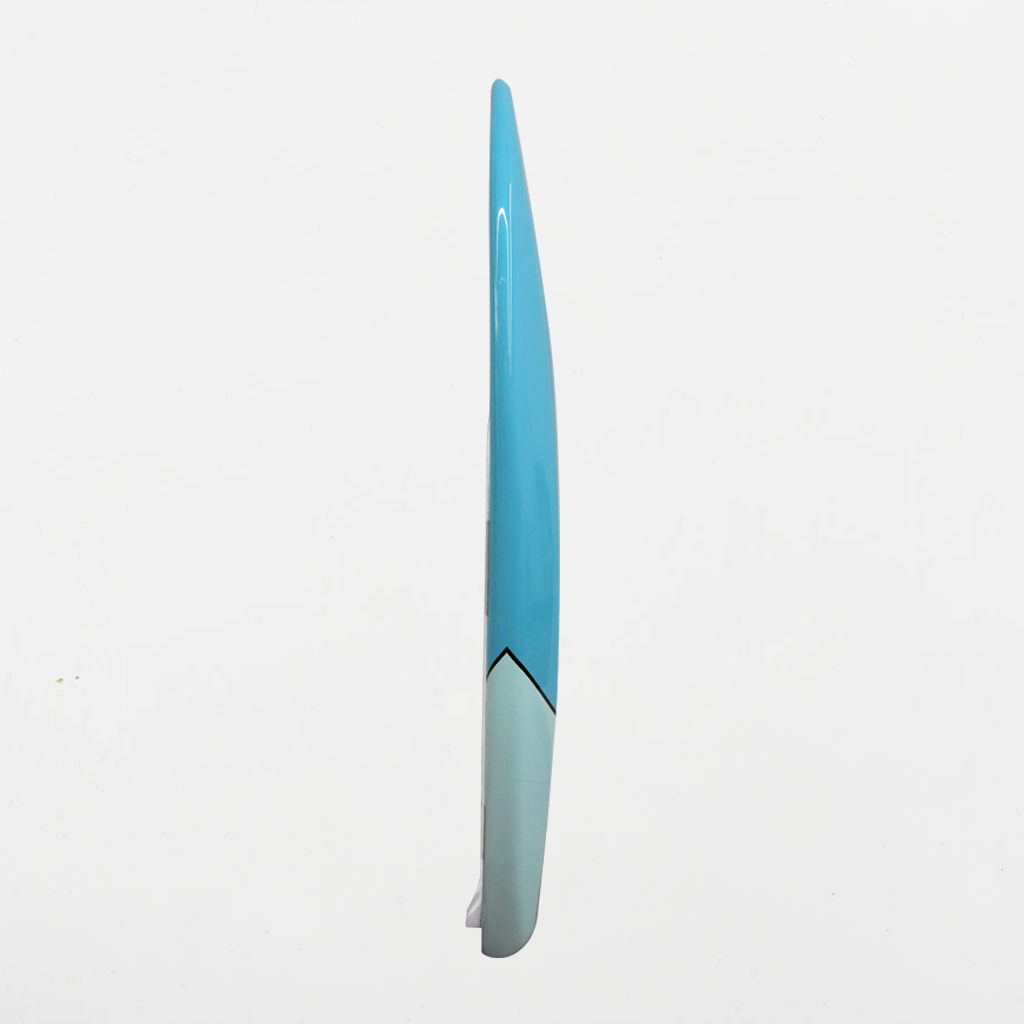
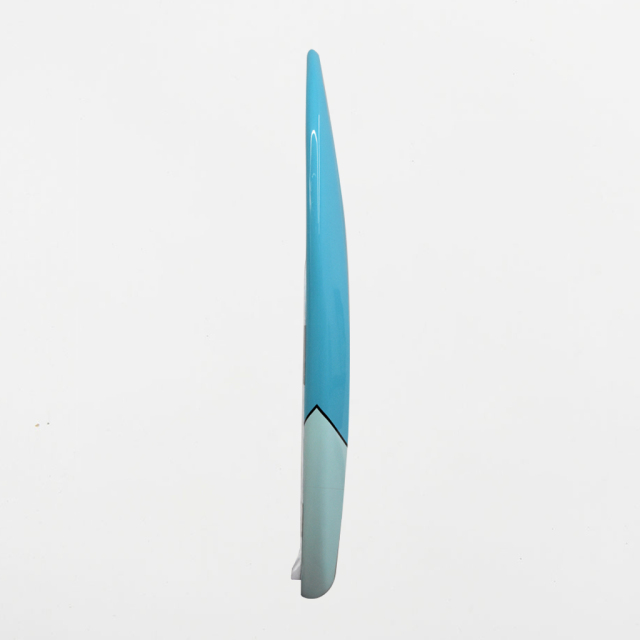
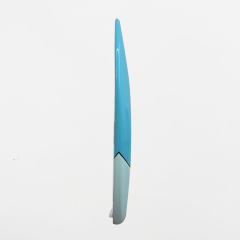
- Longboard rocker — a relaxed rocker line gives early glide in small surf and keeps the nose clear on a steeper take-off, so the same board works on a mellow beach break and on a reef day with a bit more push.
- Volume under the chest and front foot — most of the foam sits where a learner needs it, which is why a longboard surfboard for beginners in this shape paddles so easily and why it stays flat instead of pearling on a gentle take-off.
- Classic proportions — these are longboard measurements rather than a novelty shape, and as a longboard surfboard supplier we build them in this size for the schools and shops that want the familiar ride.
Construction & Build Quality
Under the deck it is an EPS foam core wrapped in fibreglass cloth and laminated with epoxy resin. That combination produces a durable epoxy surfboard that holds its shape through the kind of day a school puts a board through — stacked wet between lessons, dragged across wet sand, knocked against a van door and pushed back into service the same afternoon. Epoxy and fibreglass resist the dents and pressure marks that accumulate on a traditional poly board, so the deck does not turn into a map of every knee and elbow by the end of the first season.
Rental traffic is the hardest test any board meets. A longboard surfboard for beginners is dropped, sat on, walked over and occasionally landed on, and no construction makes a board immune to that. What the layup does is keep damage cosmetic for longer, so a board stays in the rotation instead of sitting in the repair queue — and in a fleet of twenty, the boards in the queue are the ones that cost money.
Production follows the checks we run on every board: material inspection on arrival, in-line checks during lamination, and a final inspection before packing. Our own design and tooling department cuts the moulds and templates, which is how the outline stays consistent and how dimensional tolerances are held when a buyer specifies a change.
Board Dimensions & Fin Interface
- Length, outline and rocker are fixed before a single board is cut. Every 9ft epoxy longboard leaves on the same template, with the wide nose, full rails and pulled-in tail taken from one set of moulds, so what arrives matches the sample you signed off and you can plan a rack or a fleet around it.
- Width, thickness and volume are issued with your order confirmation. A custom deck colour, extra deck reinforcement or a change of fin box moves the finished figures slightly, so we confirm them against the specification you are actually buying rather than quoting a catalogue number that may not describe what lands in your store.
- The fin interface is settled at ordering, not on the factory floor. Our boards are built with Futures, FCS or FCS2 boxes depending on the model, so tell us which system your rack, your fin stock and your repair kit already use and we specify this board to match it.
- Spare fins stay usable across the fleet. Honeycomb fins in single-tab and double-tab variants, plus G10 glass and timber options, are all part of our range. If your other boards run Futures, keep this one on Futures and a fin can move from a damaged board to a sound one without anyone opening a new box.
- Reorders keep the same box type. Fin box, fin set and deck colour are recorded against your specification file, so a second run matches the first and your fin stock stays relevant. A longboard surfboard supplier who changes the interface between runs leaves a fleet with a drawer of fins that no longer fit anything.
- Fins can ship fitted or boxed separately. Schools usually want the board ready to ride, with a centre fin or a full set already in place; a shop building customer-facing displays may prefer fins packed on their own. Tell us which you want at quotation stage.
- What to send with your enquiry: the fin box type your fleet runs today, the fin sets you already own, and whether you want fins supplied with each board. With those three answers we can confirm the specification and the spares picture before production begins.
Fleet Use & Accessory Pairing
- Surf school quiver — issue the same board to every class and pair it with a longboard leash. Our 9ft 8 mm Hypalon leash is the matching option for a board this length, while 6ft to 8ft leashes cover the shorter boards in the same rack.
- Rental desk — standardise the set-up per size: one leash length, one pad position, one fin set. Check-in gets faster and a board rarely goes back out with the wrong parts on it.
- Store set-building — a customer buying this epoxy longboard surfboard usually needs a leash, a tail pad and a cover on the same visit, and all of it can go on one order so the set leaves the shop complete.
- Distributor and chain ranges — a wholesale epoxy longboard surfboard order can be combined with mid-lengths and shortboards, so one delivery fills a wall rather than a corner of it.
- Grip and protection — tail pads and centre pads go where the back foot lands and where a knee rests while paddling, and waxless pads suit schools that would rather not deal with wax at all.
- Covers and racks — basic bags and stretch covers for transport, plus storage or display racks for the shop floor and the school shed, keep a fleet tidy and visible.
Fleet Care & Storage
Stacking and storage
A longboard spends more of its life in the shed than in the water, and that is where most fleet damage happens. Store boards on a rack so each one rests on its rail or sits in its own pocket; boards piled flat on top of each other take a set in the rocker over a season, and the bottom board in the pile carries the weight of everything above it. Where floor space is all you have, stand them tail-down with something soft between the rails — never nose-down leaning into a wall, because that is how the nose of a longboard picks up a dent that never comes out.
Storing them dry and with air moving around them matters more than the temperature. A durable epoxy surfboard will shrug off a wet van ride home, but a board that goes into a closed bag damp and stays there for a week comes out with a dull, milky finish and a deck pad that starts to lift at the edges. Leave the boards out of the bag overnight under cover, let the water leave the deck pad and the fin boxes, then stack them.
Transport and handling
Strap a longboard across the middle of the roof rack or the trailer, not over the nose and not over the fin area, and use a cover on any trip longer than the run to the beach. Boards left strapped on a roof rack between sessions sit in full sun for hours, which is hard on the finish and on the deck pad adhesive. Carry them by the rails with a hand either side of the middle, and skip the habit of dragging one across sand by the tail — the tail is what turns the board, and it is the last part you want worn flat.
Rotation and monthly checks
A working fleet wears unevenly. Give instructors a rough rotation so the same three boards do not absorb every beginner session, and move the board with the freshest deck pad into the lesson pool while the older one goes behind the rental desk. Once a month, walk the rack with a board in your hands: look for hairline cracks around the fin boxes, a lifting edge on the deck pad, a rail saver that has gone thin, movement at the leash plug and any ding that could have taken water. Anything suspect comes out of the water and dries fully before it is repaired.
End of season
At the end of the season, wash and dry the whole rack, check every board against the list above, and store them indoors or under cover and off the ground. Write down what needs fixing before the next season and add the consumables to your next board order — fin screws and plates, leash strings, a spare plug or two. The schools and shops that keep a longboard surfboard for beginners looking presentable for several seasons are not the ones with the toughest boards; they are the ones that deal with small faults while they are still small.
Specifications
| Board type | 9 ft epoxy longboard |
| Length | 9 ft |
| Outline | Classic longboard |
| Nose | Wide, with the width carried forward of the midpoint |
| Rails | Full |
| Tail | Pulled in, so the board turns from the back foot |
| Rocker | Relaxed longboard curve |
| Core | Lightweight EPS foam |
| Lamination | Fibreglass cloth laid up with epoxy resin |
| Wave range | Knee-high to chest-high |
| Rider level | First-timers through experienced surfers |
| Buyer profile | Surf schools, rental centres, shops and distributors |
| Custom options | Colours, shapes and branding available on request |
Wholesale Ordering & Customisation
- Send the board list — sizes, quantities and the date you need them in store, whether it is a single school reorder or a seasonal wholesale epoxy longboard surfboard programme for a chain.
- Fix the specification — length, fin box type, deck colour, graphics and branding are agreed in writing before production starts, so nothing is decided on the factory floor that you have not seen.
- Design and development — our in-house team supports OEM and ODM work with CAD-based design, tooling and artwork, and holds the dimensional tolerances your range requires.
- Sample approval — ask your sales contact about sample availability and approval terms before committing to a full run.
- Production and timing — we confirm a production window against your in-store date and keep the schedule visible while the order runs.
- Packing and dispatch — boards are packed for sea or road freight, we look for reusable packaging where the route allows it, and logistics are coordinated to North America, Europe and Oceania. As a longboard surfboard supplier we handle the shipping paperwork that travels with the order.
- Confirm the commercial terms — payment terms, the quantity that applies to a mixed-size order, current lead time and warranty terms are confirmed with your sales contact for each order.
Scale & Supply Capability
CIMI is a factory-based supplier with 16 years in surf and watersports hardgoods, manufacturing at our own facility rather than sourcing through traders. Chain stores, supermarkets and surf-brand stores buy from us because one supplier covers a full accessory assortment, so a season's order and its reorders can be planned together. We take on OEM and private-label work, adapting designs, colourways and branding to your programme, and we schedule production against your agreed range plan. Send us your buy list and target dates, and we will confirm what we can make and when.
FAQ
Which waves does the 9ft epoxy longboard suit most effectively?
Anything from knee-high beach-break mush to a chest-high reef day. The length and volume do the work in small surf, letting a rider catch waves early and stay on them, and when the sets get bigger the pulled-in tail keeps the board controllable instead of feeling like a barge. It is not a big-wave gun, but it covers the conditions most schools and rental desks actually operate in.
Is this a good choice as a longboard surfboard for beginners?
Yes, and most of the boards we ship in this size go to learners. A beginner needs a board that makes the first few sessions feel like progress rather than a fight, and the 9ft length does exactly that: it picks up small waves without a frantic paddle and it does not punish a late pop-up. Because it stays useful once a rider begins angling across the face, a school does not have to move students onto a second model the week they improve.
What fin setup does the board come with?
Fin box type is agreed when you order, so tell us which system your fleet or shop already stocks — a longboard surfboard supplier that changes fin systems between orders leaves the buyer with a spare-parts problem. Fins themselves are specified with the board, and honeycomb, G10 glass and timber options are all part of our range. We will confirm which centre fin and side fins suit the way your riders use the board.
How should a fleet look after these boards between sessions?
Fresh water does most of the work. Rinse after salt water, dry the board before it goes back into a bag or a stack, and keep it out of direct sun when it is stored for weeks at a time. Every epoxy longboard surfboard we ship leaves with a sealed laminate, so treat it like a surfboard rather than a piece of furniture: check the leash string and the fin screws before a session, since those are the parts that fail first, not the board.
Can the board be finished in our school's colours with our logo?
Yes. Colour, graphics and branding are handled as part of our OEM work, and they are agreed on a drawing before production rather than during it. As an epoxy longboard surfboard manufacturer we keep your artwork and colour reference on file, so a second run matches the first. Send your logo files and the colour reference you work to and we will build the specification around them.
What are the exact width, thickness and volume figures?
Length is fixed at 9 ft. Width, thickness and the volume figure are confirmed against the production run before a wholesale epoxy longboard surfboard order is placed, because they can shift slightly with a custom layup or a deck change. Ask your sales contact for the figures for the specification you are considering and they will be issued with your order confirmation.
Will the deck dent as quickly as a poly board?
It will not. The epoxy laminate carries the board's structure rather than a foam that crushes, so the marks that appear are usually surface scuffs from sand, wax and transport rather than knee dents. Boards still mark with hard use — that is true of any construction — but the marks tend to stay cosmetic, which is what keeps a rental board in service instead of in the repair queue.
Will a reorder match the boards we received the first time?
Yes. The outline, layup and finish reference stay on file with your order, and as an epoxy longboard surfboard manufacturer we build repeat runs to the same template rather than re-interpreting the shape each time. If something needs to change between runs — a different deck colour or a different fin box — raise it at the quotation stage so the change is documented on both sides.