Product Overview
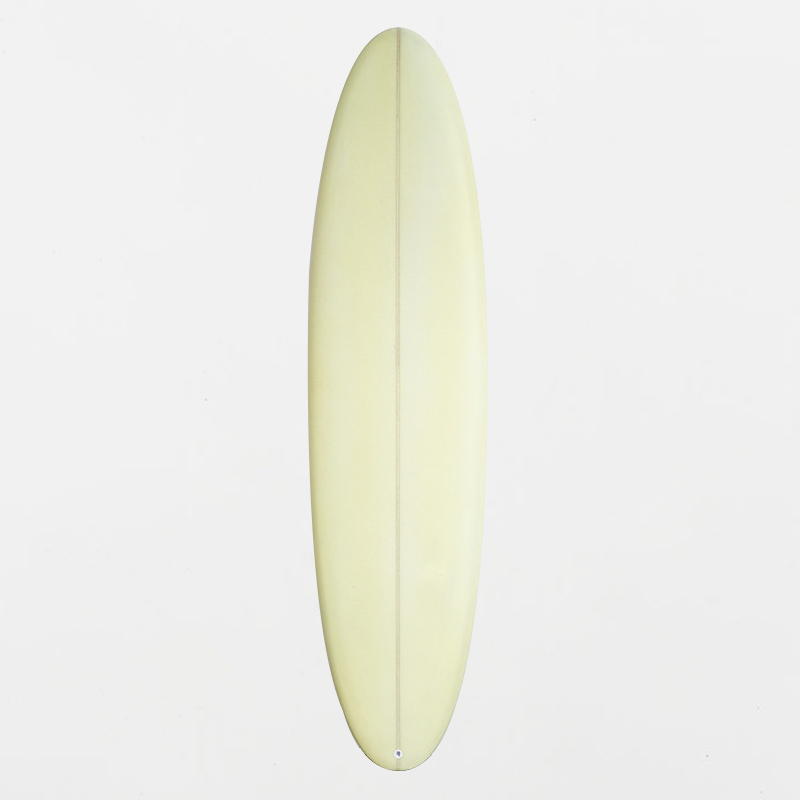
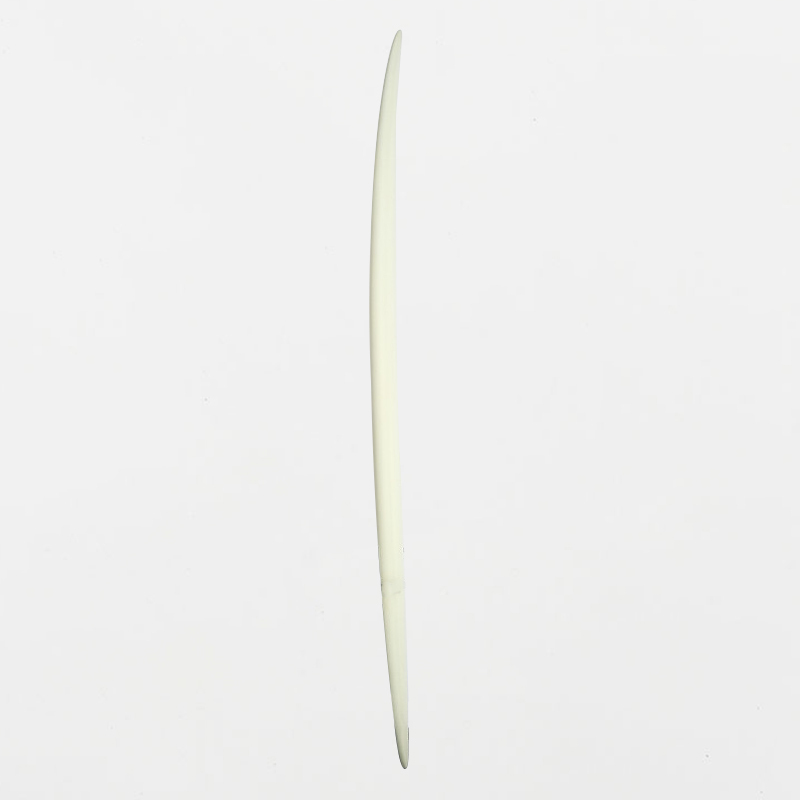
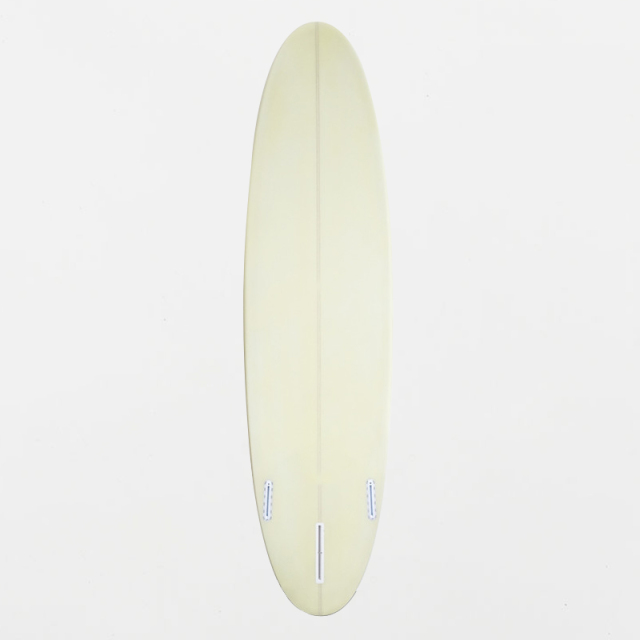
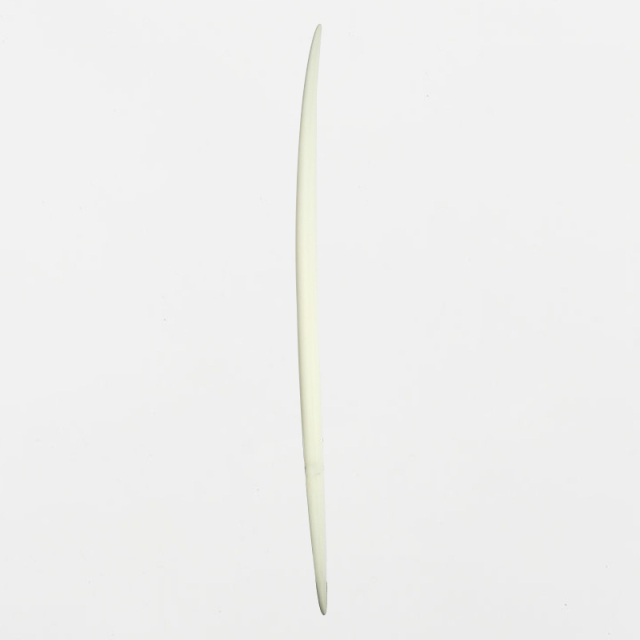
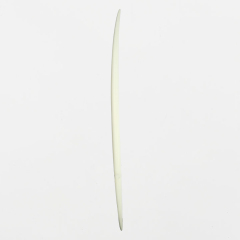
This is the length that sits in the middle of a range and does the most work: long enough to paddle easily, short enough to turn when the wave stands up. The outline carries volume under the chest with a gently curved rocker, so a first-timer can get to their feet while a rider with a season behind them still finds a board that answers. Shops that stock a mid-length epoxy surfboard usually find it is the size they reorder first.
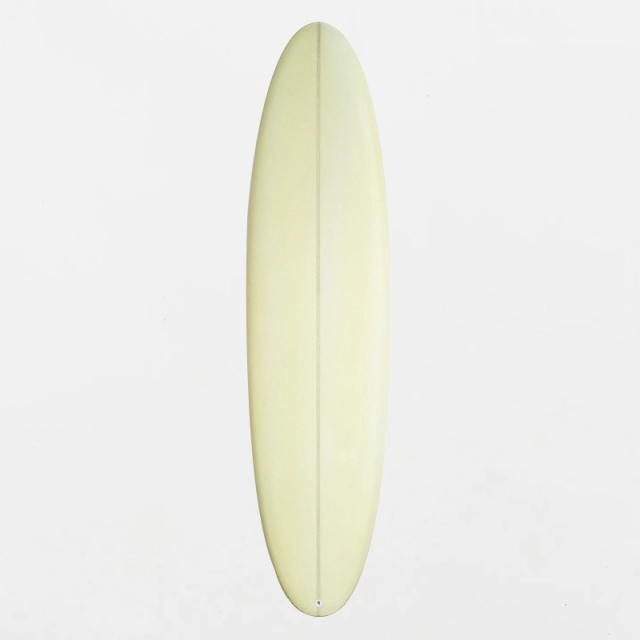
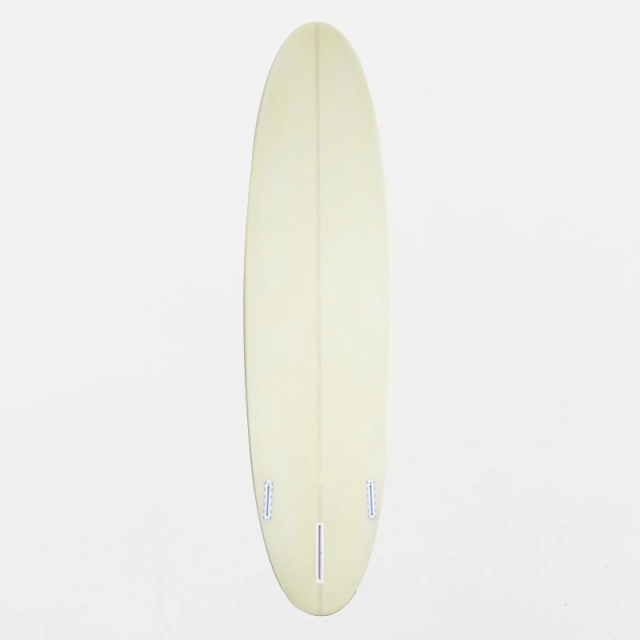
The colourway is a solid pink across deck and rails. A pink epoxy surfboard stands out on a crowded beach and on a crowded rack, which matters more than it sounds: customers pick it up before they read the specification, and staff can find it from the car park.
We build it as a wholesale epoxy surfboard from the first run: one shape, one colourway, the same laminate and the same checks each time, so a reorder six months later matches the boards already in your fleet. Surf schools, rental operators, surf shops and distributors all buy it on the same specification.
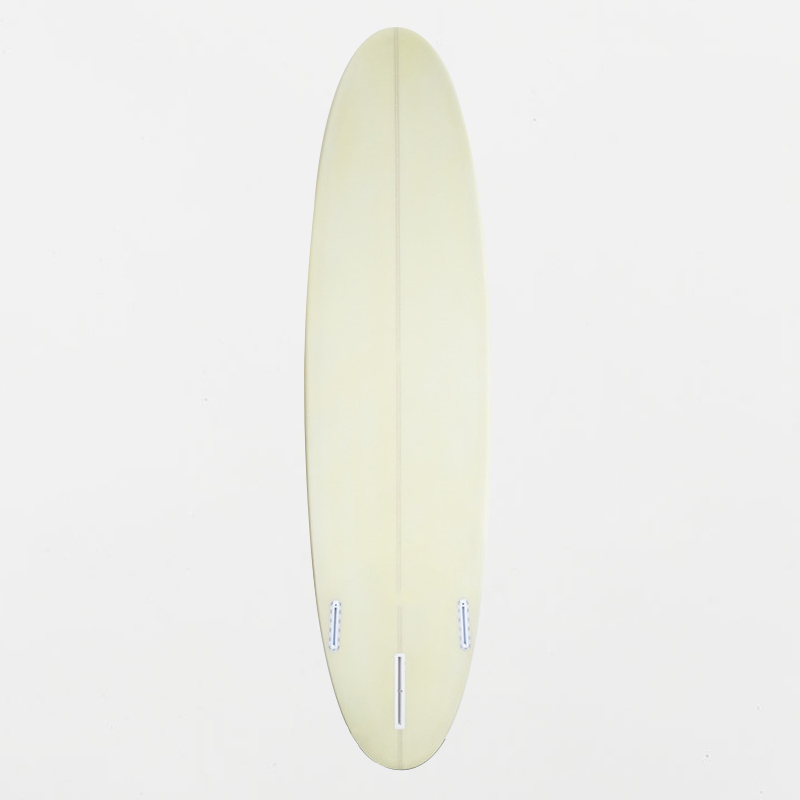
- A laminate built for repeat use. An EPS core sits under fibreglass cloth and epoxy resin, a combination that holds its shape through a season of lessons and resists the soft dents a deck collects on a poly board. - Colour with a job to do. A pink mid-length surfboard is easier for an instructor to track across a busy break and easier for a store to move from a wall of white boards. The colour gets it noticed; the build is what brings it back for a reorder. - One size, a wide spread of riders. The single length covers the first-timer who needs stability and the improver who wants a board that turns, so a school or a store serves more customers from a single size on the wall. - Fin choice left open. With Futures-compatible boxes set at the tail, it runs as an epoxy surfboard with fins picked for the day: a larger, stiffer set for drive in soft surf, a smaller set when there is push in the wave. - Your own version, if you want one. As the epoxy surfboard manufacturer we can adapt colour, deck graphics and branding into a custom pink surfboard for a trade line, a school fleet or a private label, with the shape and the laminate left exactly as they are.
Build & Materials
Every pink epoxy surfboard starts with a shaped EPS foam core. Fibreglass cloth is layered over it and bonded with epoxy resin, giving a panel that is firm underfoot and light enough to carry under one arm. Compared with a traditional polyester board, the finished laminate is far more resistant to the pressure dents that appear on a deck after weeks of lessons, which is why this construction is the one we recommend for anything that is shared between riders.
The lamination happens in our own workshop rather than at a third-party glasser. As an epoxy surfboard manufacturer we inspect cloth and resin on arrival, check the lay-up in line as each board is glassed, and give every board a final inspection before it is wrapped. In-house design and tooling mean a fin-box alignment or a rail issue is corrected at the source, so a reorder in a later season arrives at the same weight and the same finish as the boards already in service.
If you want your own version, the same shape can be run as a custom pink surfboard. Colour, deck graphics and branding are adapted from your artwork or sketches, and our design team works from references rather than requiring finished drawings. A pre-production sample is normally reviewed before a run is scheduled so the shade, logo placement and finish are agreed first; ask your sales contact about sample availability and timing for your programme.
Futures Fin System
- Check the boxes before the first session. Run a finger along each Futures-compatible box and look for grit or a lifted edge. A clean box is what keeps a fin sitting flush at the end of a lesson instead of working loose in the shorebreak. 2. Match the fin set to the break you sell into. A larger, stiffer set gives drive in small, soft surf; a smaller set releases the tail when the wave has push. Standard Futures bases mean the fins already on your shelf fit this 7ft2 epoxy surfboard. 3. Seat and tighten each fin. Slide the base into the box and tighten the screw by hand until the fin sits flush with the bottom. Setting the board up as an epoxy surfboard with fins matched to the day is the cheapest performance change you can make to it. 4. Swap rather than replace. Fins are what a rider feels first, so a school can move one set between boards to change how the tail releases without buying another shape. 5. Hold a few spare fins and screws so a fleet never loses a session to one missing part.
Dimensions & Rider Levels
- Where a beginner starts. The length and the volume under the chest give a learner something to push against when paddling, and the board keeps gliding between strokes. A mid-length epoxy surfboard is far more forgiving through the wobbly pop-up phase than a short board handed down from a friend.
- Where an improver gains. Once a rider can stand and steer, the same 7ft2 epoxy surfboard still answers: the tail releases into a turn and the rail holds when the wave steepens, so the board does not have to be replaced the week a customer starts turning.
- What it replaces. Many schools move a student off a soft-top and straight onto a hard board that is too short for the stage. This length closes that gap — it is a step between the foam board and a shortboard rather than a jump.
- One length for mixed groups. A pink mid-length surfboard can be handed around a class of mixed ability, which means fewer sizes on the trailer and fewer decisions at the rental desk.
- Range planning. Because it sits between the shorter performance shapes and the longboards, a wholesale epoxy surfboard order can be built around this length and topped up either side, so a shop covers its wall without carrying several near-identical boards.
Board Specifications
| Model | B70143 |
|---|
| Length | 7 ft 2 in |
| Core | EPS foam |
| Laminate | Fibreglass cloth bonded with epoxy resin |
| Finish | Pink, deck and rails |
| Fin system | Futures-compatible fin boxes |
| Fittings | Fin boxes and leash plug set at the tail |
| Rider level | Beginner through intermediate |
| Typical buyers | Surf schools, rental fleets, surf shops, distributors |
| Custom options | Colour, deck graphics and branding on request |
Complete Board Set
- Start with the board. Take the pink epoxy surfboard as the base of the set; everything else follows from its length and from the boxes set at the tail.
- Add a 7 ft leash. A leash in the 7 ft range is the usual pairing for a board this length — long enough to keep a fallen board away from other water users, short enough not to drag in small surf. Regular, non-slip and Hypalon cuffs are all in the range, so a school can standardise on one cuff across the fleet.
- Choose the fin set. Pick fins for the breaks you sell into and keep the bases consistent with the Futures boxes, so one spare set can serve several boards on the wall.
- Fit a traction pad. A tail pad gives a learner a reference for where the back foot goes and keeps wax off a deck that is shared between customers.
- Cover and rack it. A stretch cover protects the rails in transit and between sessions, and a rack keeps a fleet off the floor and out of the way. Ordering board, leash, pad, cover and rack together is how most buyers build a wholesale epoxy surfboard programme: sizes and colours stay matched and one delivery covers the whole set.
- Between seasons, storage decides how much of a fleet goes back into service unchanged. Rinse every board with fresh water after its last session and let it dry fully before it goes into a bag or a stack; salt and trapped damp are what dull a finish and soften a rail over a winter. Pull the fins out, rinse the boxes and refit them finger-tight so grit does not sit in the threads. Take leashes off as well — a leash left coiled under tension takes a set and will not hang straight next season. Stand boards upright on a rack or lay them flat with the rails supported. Never leave one nose-down on a hard floor, and never stack them deck-to-deck under weight. A cover or board sock keeps dust and sunlight off the pink finish and stops wax transferring from one deck to the next. Keep the rack out of direct sun and away from a hot roof; heat is what turns a small pressure mark into a permanent one. Before a fleet goes back on the rental line, check the tail rails, the deck where feet land and the area around each fin box. Light scuffs and wax marks are cosmetic and clean up; a crack at a box, a soft spot under the back foot or a lifted rail edge is structural and should be repaired before the board is issued. Because this mid-length epoxy surfboard is built in our own workshop, we can tell you which marks are normal wear and which need attention, and we can supply the fins, leashes and covers that go back on it. Confirm with your sales contact which spares you want held for the season.
Ordering Reference
| Board supplied | Individually, with fin boxes and leash plug fitted |
| Stock colourway | Pink |
| Other colours and graphics | Handled as a custom run; discussed before an order is placed |
| Fin sets | Ordered with the boards, or drawn from your own stock |
| Leash, pad, cover, rack | Available from the same range |
| Packing | Agreed against your destination and handling requirements |
| Lead time | Confirmed when the order is placed |
| Payment terms | Confirmed with your sales contact |
| Delivery | Arranged to your destination; terms confirmed per order |
| Repeat orders | Scheduled against your range plan |
Scale & Supply Capability
CIMI is a factory-based supplier with 16 years in surf and watersports hardgoods, manufacturing at our own facility rather than sourcing through traders. Chain stores, supermarkets and surf-brand stores buy from us because one supplier covers a full accessory assortment, so a season's order and its reorders can be planned together. We take on OEM and private-label work, adapting designs, colourways and branding to your programme, and we schedule production against your agreed range plan. Send us your buy list and target dates, and we will confirm what we can make and when.
FAQ
Which conditions is this board suited to?
As a mid-length epoxy surfboard, it is happiest in small to medium surf: the everyday beach break, a mellow point, a reef that is not standing up too steeply. The length carries enough glide to catch a slow wave early, and the outline stays stable when the water is choppy and the take-off is not clean. For serious, fast overhead surf, stock something shorter and more rockered from the range instead.
What should a school check when a board comes back from a lesson?
Rinse and dry it, then look at three places: the rails near the tail, the fin boxes, and the deck where feet land. A pink mid-length surfboard that has been through a season will usually show scuffs on the rail before it shows anything structural, and that is normal wear. A fin box that has taken a knock, or a soft spot under the back foot, is the point at which a board should come out of the rental line and be looked at properly.
What is fitted to the board, and what do we need to add?
The boards come with Futures-compatible boxes and a leash plug set at the tail. Fins and a leash are chosen to suit how you will use the board, so you can take them with the order or fit them from your own stock. If you run it as an epoxy surfboard with fins from your existing range, check the base type once and the rest of the fleet follows.
Can we change the colour or add our own logo?
Yes. Pink is the stock colourway; other colours, deck graphics and branding are handled as a custom pink surfboard run. Send your colour reference and your artwork or a sketch at enquiry stage — our design team will come back on what can be matched as drawn and what needs adjusting for production.
How should a fleet be stored between seasons?
Rinse with fresh water, dry the boards upright where air can move around them, and keep them out of direct sun and off bare concrete; a rack does both jobs. Long storage is where rails pick up pressure marks, so avoid stacking boards on top of each other. Because we are the epoxy surfboard manufacturer behind the board, we can also tell you which marks are cosmetic and which need a repair before it goes back into service.
How does the 7 ft 2 compare with the 7 ft 0 and 7 ft 4 in the range?
They share the same construction family and the same finish approach; the difference is how much board a rider gets underneath them. The 7 ft 0 turns more easily and suits a lighter or more experienced rider, while the 7 ft 4 carries extra length for a heavier adult or a school that wants the easiest paddle. This one sits between the two, which is why so many fleets settle on it as the middle of the wall.