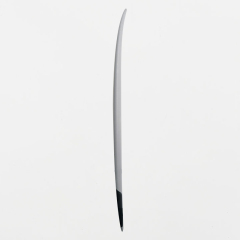
Product Overview
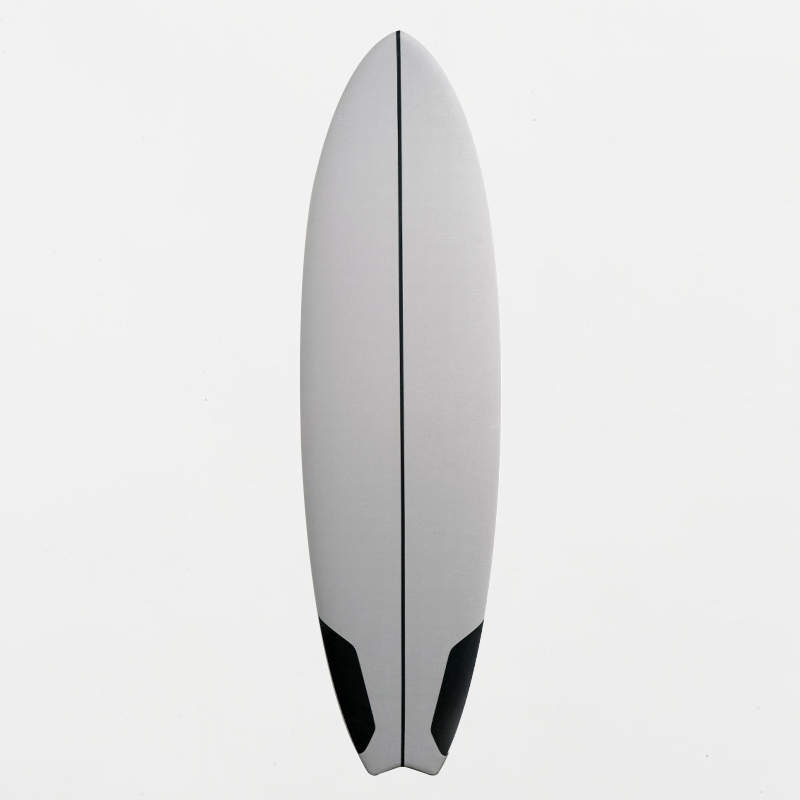
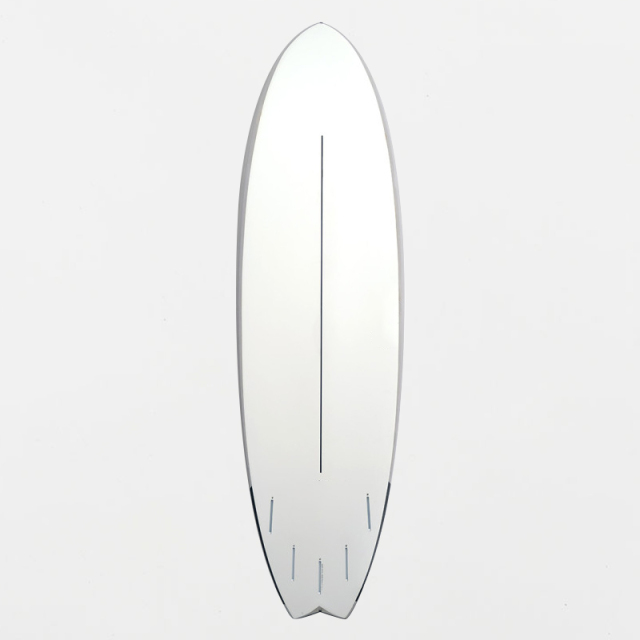
This is the board a surfer moves onto when a long learner board has done its job. As a soft top fish surfboard it sits between the soft tops a school starts students on and the hard, narrow shapes they graduate to — forgiving enough to hand to an improving rider, responsive enough that they keep learning on it. It is soft where a rider meets it and structural underneath. A school gets the safety of a foam-topped board without the short working life of a foam-only one, and a shop can sell it to a first-time buyer knowing it will still be in one piece at the end of the season. For a shop building a range, it fills the gap most walls have: the beginner soft top surfboard between the long learner models and the epoxy shortboards, in a size that suits teenagers and smaller adults as well as grown beginners.
Construction & Materials
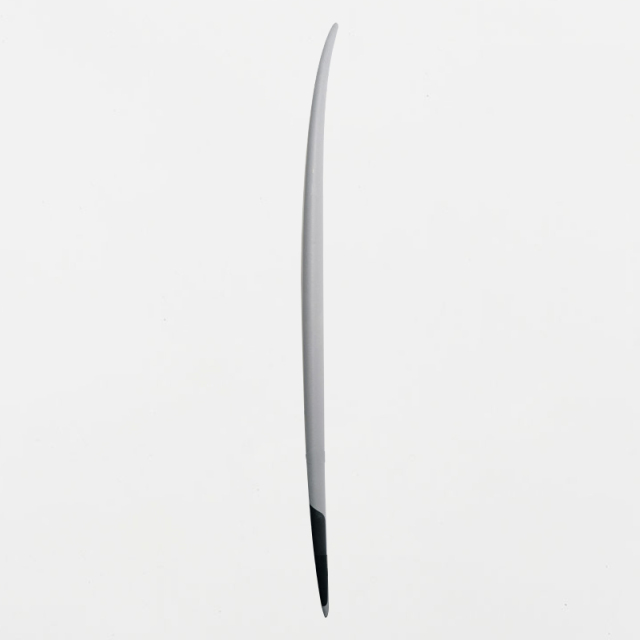
An eva soft top surfboard is built in layers, and each layer has a job. The core is a lightweight EPS foam blank that gives the board its shape, its buoyancy and most of its light weight under the arm.
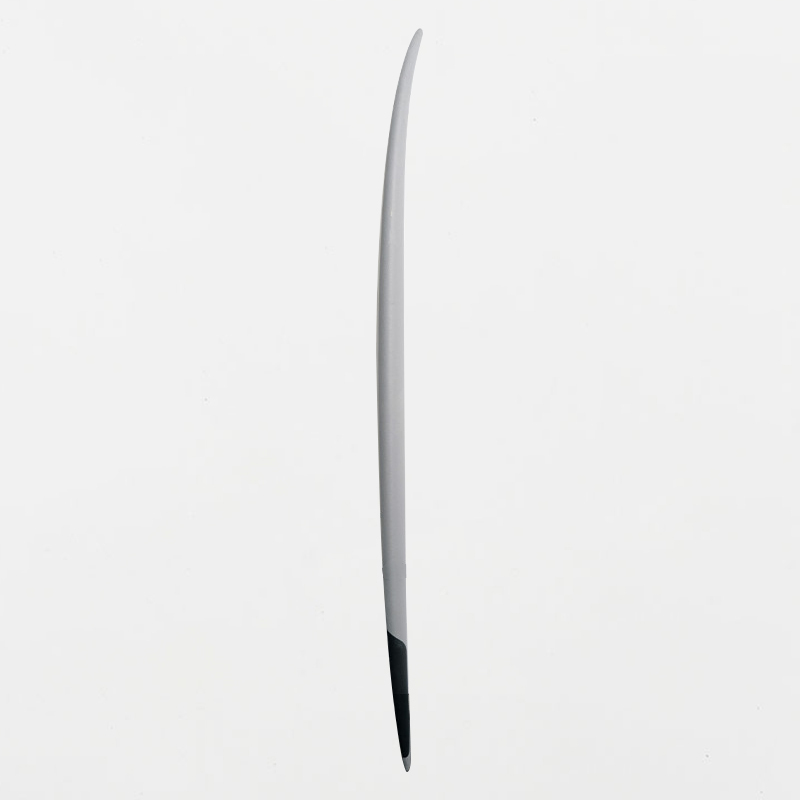
Over that goes fibreglass cloth wet out with epoxy resin. The laminate is the structure: it holds the rocker, spreads the force of a knee, an elbow or a fin impact across the skin instead of into one spot, and resists the pressure dents that appear quickly on a poly board in daily rental use — the same build goes into a stock shape and a custom soft top surfboard. It is also why an epoxy soft top surfboard still paddles cleanly after a season, when a cheaper board has gone soft underfoot.
The outside is extruded EVA foam, applied across the deck and rails. It is the layer a class actually feels: soft under a knee when a student kneels to paddle, quiet when one board knocks another in the rack, and comfortable to sit on between sets. The tail and the area around the fin boxes get the closest attention in finishing, because those are the points that take the most punishment.
As a soft top surfboard manufacturer we keep lamination, finishing and assembly in our own workshop, so the second order is built the same way as the first. If a previous supplier's batches dented differently from one delivery to the next, that consistency is worth asking us about.
Fish Outline & Ride Character
- Speed through soft sections. The fish template holds width through the middle and tail, so the board keeps gliding when the wave loses power instead of stalling. That matters on the small, mellow days most lessons actually run in.
- A drawn-in nose. The nose is narrower than a long soft top's, so the board does not push water on take-off and comes around more easily once the rider is up.
- Stability where it counts. Width under the chest and a steady tail let a first-timer shift weight without tipping the board — the reason this shape works as the step off long learner boards.
- A rail that forgives. The EVA-covered rail is fuller and softer than a hard board's, so a late take-off or a wobbly bottom turn does not catch and dump the rider.
- The 6ft6 length. Short enough to turn and duck-dive, long enough that paddling is not a fight. As a 6ft6 soft top surfboard it suits teenagers and smaller adults particularly well.
- Small to medium waves. Beach breaks, mellow reef days and whitewater work; it is not built for serious overhead surf or steep, fast drops.
Fin Boxes & Fin Setup
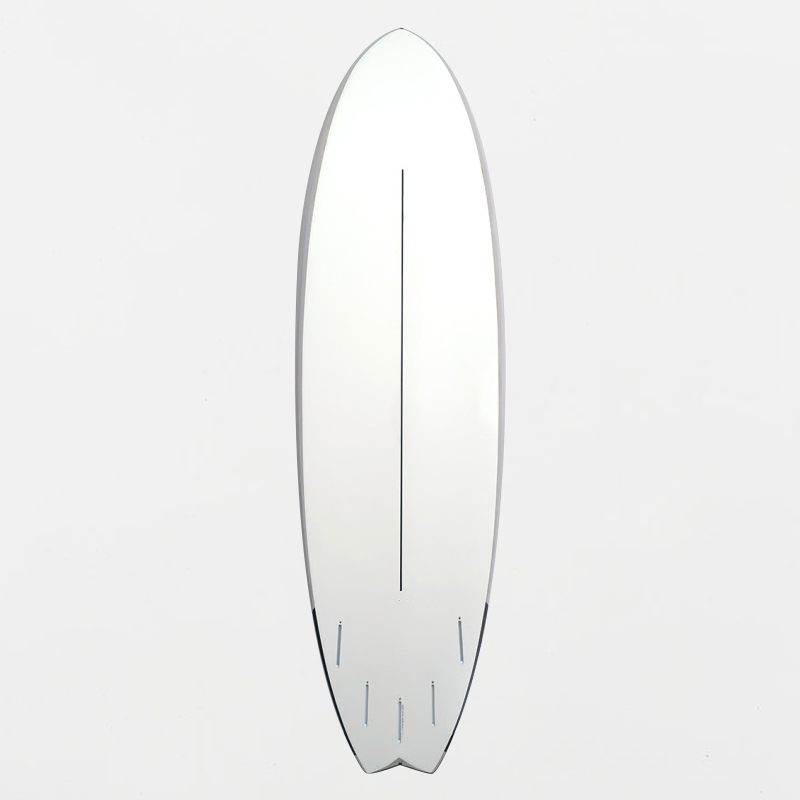
- Start with the boxes. Futures fin boxes are laminated into the tail, so the mounting is part of the board's structure rather than a plate added afterwards. As the soft top surfboard manufacturer, we send boards out with the boxes empty, ready for the fin set you specify.
- Match the set to the conditions. A larger, more upright set gives drive and hold when the surf has some push; a smaller, swept set loosens the tail for small days. Most schools pick one set per board and leave it alone, which is also the simplest way to spec a wholesale soft top surfboard order.
- Match the set to the rider. Fin area is the cheapest way to tune a board for a lighter or heavier student. Rather than stocking another board size, keep two fin sets on the shelf and swap them over.
- Seat them properly. Push each fin fully home, tighten the screw by hand, then check the fin cannot rock. A loose fin works itself free and can damage the box on the way out.
- Test before the fleet goes out. One session on a new set tells you whether an epoxy soft top surfboard feels right for the waves you teach in; adjust once, then standardise across the fleet.
- Keep spares at the desk. A fleet loses fins faster than it loses boards. A box of spare sets and the right key at the rental desk keeps boards in the water.
Leash, Fins, Traction, Cover & Rack
- Leash. Our leash line runs from 5ft to 8ft in 5 mm, 6 mm and 7 mm cords, with regular, non-slip and Hypalon cuffs. A 6ft cord is the usual match for a board this length; go to 7ft if it will be used in bigger surf.
- Fins. Honeycomb, timber, G10 glass and nylon sets from our own fin range, ordered alongside the boards so a fleet is fitted out before it reaches the water.
- Traction. Tail pads, centre pads and waxless pads that add grip where a stance repeats, which counts on a board ridden by several people a day.
- Cover. Basic bags, regular bags and stretch covers; a cover sized for the 6ft6 soft top surfboard keeps the EVA skin out of the sun between sessions and protects it on the drive to the beach.
- Rack. Travel racks with tie-downs for vans and trailers, plus storage and display racks for a shop floor or a school shed.
- Fleet bundles. Wholesale soft top surfboard orders can combine boards with the matching leashes, fins, pads, covers and racks, so a whole wall or a whole school is set up from one order.
Who It Suits
Surf schools building a progression are the most natural home for this board. A long soft top covers the first lessons; the 6ft6 is what a student moves onto once they can paddle out, stand reliably and want to turn. It is still a beginner soft top surfboard in weight and forgiveness, so a class can stay on soft boards for longer before moving to hard ones. Rental desks and hire centres get a board that can be handed out all day, with a skin that does not need repairing every time it comes back off the sand. Shops and distributors can use it as the bridge in a wall of boards — the size that turns a first purchase into a second one. For a wholesale soft top surfboard order it fills a gap rather than duplicating something already on the wall: 6ft6 is the length most ranges miss between a long learner board and a shortboard.
Specifications
| Model | B70113 |
|---|
| Board type | Fish soft top |
| Length | 6ft6 |
| Core | Lightweight EPS foam |
| Laminate | Fibreglass cloth with epoxy resin |
| Outer skin | Extruded EVA foam |
| Fin system | Futures fin boxes set into the tail |
| Outline | Fish template with a drawn-in nose |
| Fins | Ordered separately from our fin range |
| Typical use | Surf schools, rental fleets, resale ranges |
Care & Storage
- Rinse after salt water. Fresh water over the deck, rails and fin boxes takes out salt and sand; a soft brush lifts sunscreen and grit from the EVA without tearing the foam.
- Dry it before it goes in a bag. A board packed wet spends the week in a damp cover. Stand it on a rack overnight instead.
- Keep it out of a hot car. Heat is the enemy of an eva soft top surfboard: leave one cooking in a closed vehicle and the foam can soften and the skin can lift at the rail.
- Check the tail and boxes after each session. The tail tip and the area around the fin boxes take the knocks, and a fin left loose will enlarge its box over time.
- Store it flat or on a rack. A board left leaning against a wall for a season can take a set into the rocker.
- Inspect at hand-off. A quick look at the fin screws, leash string and deck when a board is issued catches most problems before it goes back on the water.
Ordering & Delivery
- Mix and quantities. Send the size split and the accessory lines you want on the same order. Boards, leashes, fins, pads, covers and racks are quoted together so nothing arrives out of step. - Lead time. Production timing depends on the season and on whether the run is standard or custom; confirm current lead time and shipping terms with your sales contact before you promise a date to your own customers. - Custom work. Share your artwork, model name and colour direction for a custom soft top surfboard build, and we will come back on what can be applied and how the boards need to be prepared. - Logos on stock shapes. If you only need your own logo on a standard board, say so at enquiry stage — it is a smaller change than a full custom build and easier to slot in. - Packing and freight. Boards are bulky and mark easily in transit. Tell us whether they travel singly, on a pallet or alongside accessories, and we will confirm how the order is packed. - Samples. Ask your sales contact about sample availability and current terms if you want to handle the construction before committing to a first order.
Scale & Supply Capability
CIMI is a factory-based supplier with 16 years in surf and watersports hardgoods, manufacturing at our own facility rather than sourcing through traders. Chain stores, supermarkets and surf-brand stores buy from us because one supplier covers a full accessory assortment, so a season's order and its reorders can be planned together. We take on OEM and private-label work, adapting designs, colourways and branding to your programme, and we schedule production against your agreed range plan. Send us your buy list and target dates, and we will confirm what we can make and when.
FAQ
Why a fish outline instead of a rounded soft top?
A fish carries width through the middle and tail, which keeps the board moving through soft, small surf and lets it turn from the back foot. A rounded long soft top is easier to paddle straight but feels slow once a rider starts turning. This soft top fish surfboard is the compromise: paddle-friendly, but with a template that still responds when a student tries a first real turn.
Is this a foam board or a glassed board with a soft skin?
It is a glassed board. A lightweight EPS core is laminated with fibreglass and epoxy resin, then finished with an extruded EVA foam skin over the deck and rails. That build is what separates an eva soft top surfboard from a plain foam learner board: it holds its rocker and resists pressure dents across a long season of lessons.
Which fins fit, and can we stock a spare set?
The board is built with Futures fin boxes set into the tail and leaves us with the boxes empty, so you can specify the set you want. Tell us which boxes your boards carry and we will match the fin base to them from our own range. On an epoxy soft top surfboard fins are the cheapest way to change how the board feels, so a spare set per fleet is worth keeping at the desk.
How does this compare with the 7ft4 and 8ft0 soft tops?
Both are longer and more forgiving on the paddle, which is why they come first in a school's programme. The 6ft6 soft top surfboard turns more easily and can be duck-dived and controlled once a student is standing reliably. If a class mixes complete beginners with riders on their fifth lesson, keeping an 8ft0 and this board side by side covers both ends of the session.
Is it stable enough for an adult beginner?
As a beginner soft top surfboard it is stable for most adults: there is width under the chest and a steady tail to stand up on, and the EVA skin is forgiving when balance goes. A very heavy rider, or a class of complete first-timers, is still better served by the 8ft0 — which is exactly why this shape works as the step after it. Tell us the average rider in your fleet and we will suggest the split.
Can we order a custom soft top surfboard with our own graphics?
Custom work is part of what we do. Send the artwork, the model name you want to use and any colour direction, and we will confirm what can be applied and how the files need to be prepared. Graphics perform most reliably when they are planned around the deck colour from the start, rather than dropped onto a finished board.